Borscht (Борщ)
An iconic Eastern European soup made with beetroot, cabbage, potatoes, carrots and beef simmered in a flavourful broth with tomato, garlic, bay leaf and dill. Borscht is known for its deep red colour and balance of beetroot sweetness, gentle acidity and rich broth. It is traditionally served piping hot with a spoonful of sour cream.
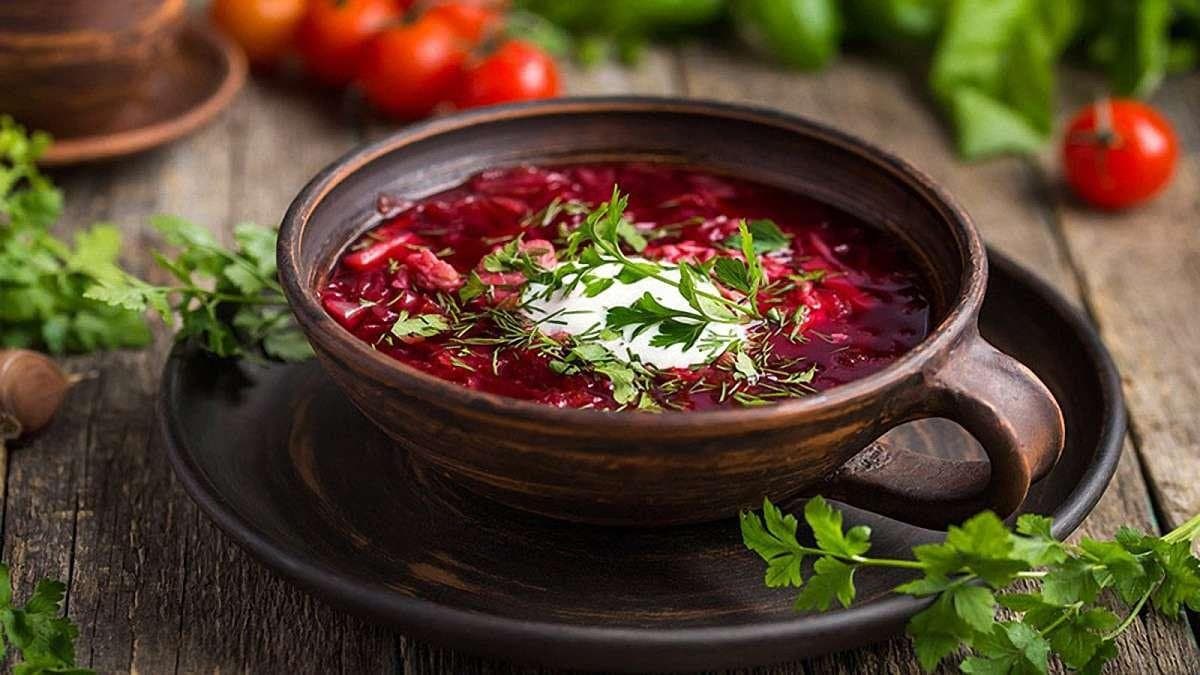
About 420 kcal per serving
Ingredients
- stewing beef (chuck, blade or short rib, cut into large pieces)700 g
- water (for the broth)2 500 ml
- beetroots (about 600 g total, peeled and grated or cut into julienne)3 pieces
- white cabbage (thinly shredded)400 g
- potatoes (peeled and cut into 2 to 3 cm cubes)500 g
- carrots (coarsely grated or cut into julienne)2 pieces
- yellow onion (finely sliced)1 piece
- celery stalk (finely sliced)1 piece
- bay leaves2 pieces
- tomato paste30 g
- crushed tomatoes (canned or fresh)250 g
- red wine vinegar (adjust at the end of cooking)30 ml
- sugar (adjust depending on the sweetness of the beetroot)10 g
- garlic cloves (finely chopped)3 pieces
- fresh dill (finely chopped)20 g
- vegetable oil (for sautéing the vegetables)25 ml
- fine salt (adjust to taste)8 g
- ground black pepper (preferably freshly ground)3 g
- sour cream (for serving)200 g
Preparation
Start the broth
Place the beef in a large pot and cover with the 2.5 litres of cold water. Slowly bring to a simmer over medium heat. As foam rises to the surface, skim it carefully with a spoon for a clearer broth.
Cook the beef
Add the bay leaves and a small pinch of salt. Reduce the heat to maintain a gentle simmer, partially cover and cook for about fifty to sixty minutes, until the beef begins to become tender.
Prepare the vegetables
While the broth cooks, peel the beetroot, carrots and potatoes. Grate or cut the beetroot and carrots into fine julienne, cube the potatoes, shred the cabbage, slice the onion and celery, and chop the garlic.
Sauté the onion and carrot
Heat about half the oil in a large frying pan over medium heat. Add the onion and carrot with a small pinch of salt. Sauté for six to eight minutes until the onion is soft and the carrot begins to caramelise lightly.
Add the tomato
Add the tomato paste to the pan and cook for one minute while stirring. Add the crushed tomatoes and simmer for three to four minutes, until the mixture thickens slightly.
Cook the beetroot
In a second pan, or after reserving the previous mixture, heat the remaining oil. Add the beetroot, about 20 ml of vinegar and the sugar. Cook for eight to ten minutes over medium heat, stirring regularly. The vinegar helps preserve the intense red colour.
Remove and cut the beef
When the beef is tender but still firm, remove it from the broth. Let it cool for a few minutes, then cut into bite-size pieces. Keep the broth at a gentle simmer.
Add the potatoes
Add the potato cubes to the broth and cook for eight to ten minutes. They should begin to soften while remaining firm enough to continue cooking with the other vegetables.
Add the cabbage and celery
Add the shredded cabbage and celery. Stir and cook for another five minutes. The cabbage should begin to soften while still retaining some texture.
Add the sautéed vegetables
Add the onion-carrot-tomato mixture to the pot, followed by the sautéed beetroot. Stir gently to distribute the red colour throughout the broth.
Return the beef
Return the beef pieces to the pot. Simmer for ten to fifteen minutes, until the potatoes are tender, the cabbage is cooked and the meat is thoroughly heated.
Adjust the balance
Taste the borscht. Add the remaining vinegar if more acidity is desired, or a small pinch of sugar if the beetroot lacks sweetness. Adjust the salt and pepper.
Add the garlic and dill
Add the chopped garlic and about two thirds of the dill. Simmer for only one to two minutes, then turn off the heat to preserve the fresh aromas.
Let the borscht rest
Cover the pot and let the borscht rest for at least thirty minutes before serving. This allows the flavours to blend and the colour to stabilise.
Reheat gently
If necessary, reheat the borscht gently over medium-low heat without bringing it to a vigorous boil. Add a little hot water if the soup has thickened too much during resting.
Serve
Ladle the piping hot borscht into large bowls. Add a spoonful of sour cream to the centre of each serving and sprinkle with the remaining dill. Serve with rye bread, dark bread or garlic pampushki.
Tips & tricks
- Use fresh beetroot for a deeper colour and cleaner flavour.
- Cut the vegetables into evenly sized pieces so they cook at the same rate.
- Cooking the beetroot with a little vinegar helps preserve its red colour.
- Skim the broth while the meat cooks for a clearer, cleaner-tasting soup.
- Do not boil the borscht too vigorously after adding the beetroot, as this can dull the colour and aromas.
- Add the potatoes before the cabbage because they generally need more cooking time.
- Taste the sweet-sour balance at the end and adjust with a little sugar or vinegar if necessary.
- Let the borscht rest for at least thirty minutes after cooking; it is often even better the next day.
- Add the garlic and dill near the end to preserve their fresh aroma.
- Serve the sour cream directly in the bowls so each person can adjust the richness.
- If the broth becomes too concentrated, add a little hot water rather than cold.
- Use a sufficiently large pot because the volume increases when the cabbage and vegetables are added.
Variations
- Make a vegetarian version by omitting the beef and using vegetable stock.
- Add cooked white beans for a more substantial version.
- Replace part of the white cabbage with red cabbage.
- Add a little red bell pepper for a sweeter, fruitier note.
- Use pork or a mixture of beef and pork for a richer broth.
- Add extra vinegar for a more tangy borscht.
- Serve with rye bread or garlic pampushki.
- Add a small amount of smoked bacon for deeper flavour.
Storage
Borscht keeps for up to four days in the refrigerator in an airtight container. Its flavour often improves after an overnight rest. Reheat gently over medium heat without boiling aggressively. It can be frozen for up to three months, preferably without the sour cream. Thaw in the refrigerator and reheat slowly, adding a little water if necessary.
Nutrition facts(per serving)
| Calories | 420 kcal |
|---|---|
| Protein | 26 g |
| Carbs | 38 g |
| Fat | 18 g |
| Fiber | 8 g |
| Sugars | 12 g |
What to serve with this recipe?
- Sour cream
- Rye bread
- Garlic pampushki
- Pickles
Frequently asked questions
Reviews
No reviews yet. Be the first to leave one!
Similar recipes
 Vegetarian
Fatteh is a generous Levantine dish made with crisp pita bread, warm chickpeas and a creamy yogurt, tahini, lemon and garlic sauce, finished with toasted pine nuts, parsley and spices. The contrast between crunchy bread, tender chickpeas and cool creamy sauce is essential to the dish.
 Meat
MeatShish Tawook is an iconic Levantine chicken skewer marinated in yogurt, lemon, garlic, oil and spices, then grilled over high heat. A good marinade tenderises the meat, promotes browning and produces juicy chicken with lightly caramelised edges.
 Vegan
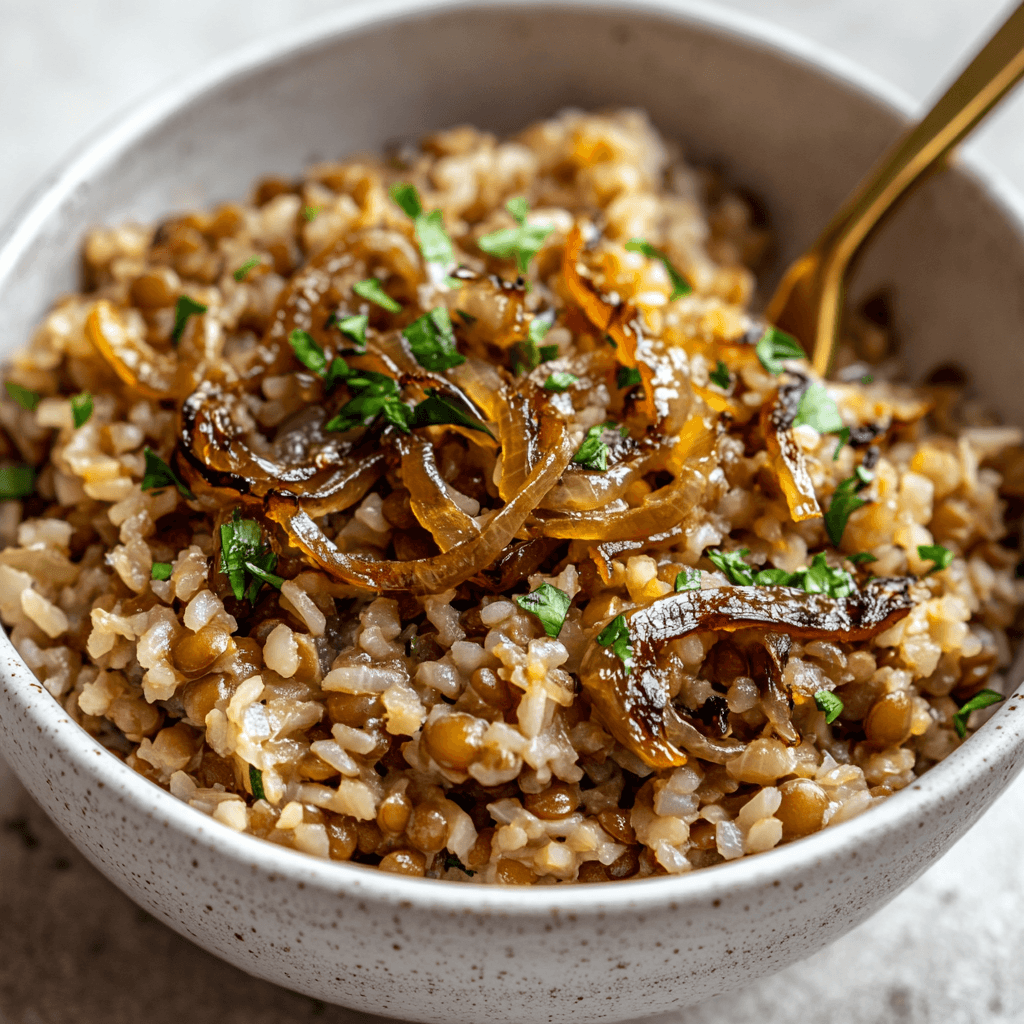
VeganMujaddara is a Levantine classic made with lentils, rice and deeply browned onions. Simple, nourishing and aromatic, it relies on the contrast between tender lentils, separate grains of rice and a generous amount of almost crisp caramelised onions.