Char Siu – Cantonese Barbecued Pork (叉烧)
Char siu is Cantonese barbecued pork marinated in a sweet-savoury mixture flavoured with hoisin sauce, honey, soy sauce, Shaoxing wine and Chinese five-spice. The meat is roasted at high heat and repeatedly glazed until glossy, caramelised and lightly charred while remaining tender and juicy inside.
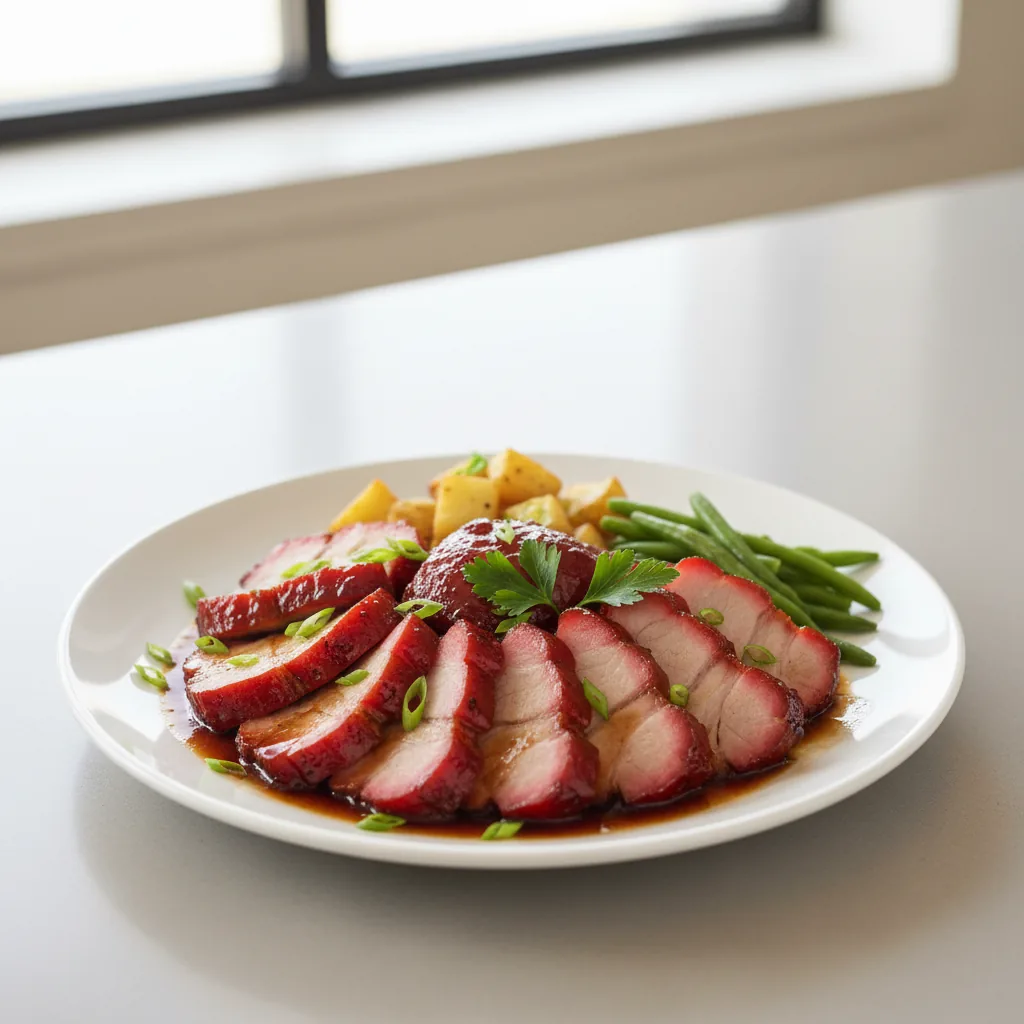
About 470 kcal per serving
Ingredients
- pork shoulder or neck (cut into long strips 5 to 6 cm wide)1 200 g
- hoisin sauce (for the marinade)70 g
- honey (plus 20 g for the final glaze)50 g
- brown sugar (for the marinade)35 g
- light soy sauce40 ml
- dark soy sauce (for colour)15 ml
- Shaoxing rice wine30 ml
- oyster sauce (optional, for extra umami)15 ml
- Chinese five-spice powder5 g
- garlic cloves (finely chopped or grated)4 pieces
- fresh ginger (finely grated)15 g
- sesame oil10 ml
- honey (for the final glaze)20 g
- reserved marinade (reserved before contact with raw pork)20 ml
- water (for the tray beneath the rack)200 ml
Preparation
Cut the pork
Trim only large pieces of external fat, keeping the marbling that will help the meat stay juicy. Cut the pork into even long strips about five to six centimetres wide and three to four centimetres thick. Uniform pieces cook evenly and provide plenty of surface for glazing.
Prepare the marinade
In a large bowl, combine the hoisin sauce, 50 g honey, brown sugar, light and dark soy sauces, Shaoxing wine, oyster sauce, five-spice powder, garlic, ginger and sesame oil. Whisk until smooth and glossy.
Reserve clean glaze
Remove about 20 ml of marinade before adding the raw pork and keep it in a clean container in the refrigerator. This portion will be used for the final glaze and will never have contacted raw meat.
Marinate the pork
Add the pork strips to the remaining marinade. Massage the meat for one to two minutes so every surface is coated. Cover and refrigerate for at least eight hours, ideally twelve to twenty-four hours. Turn the pork once or twice during marinating if possible.
Take the chill off the pork
Remove the pork from the refrigerator about twenty minutes before cooking. Lightly drain each piece over the bowl without wiping the marinade away completely. A thin coating should remain on the surface.
Prepare the oven
Preheat the oven to 220°C using conventional heat. Place a wire rack over a deep foil-lined tray. Pour about 200 ml of water into the tray beneath the rack to reduce smoke from sugary drippings during roasting.
Arrange the pork on the rack
Arrange the pork strips on the rack with several centimetres between them. They should not touch so hot air can circulate and roast every side properly.
Begin roasting
Roast for fifteen minutes at 220°C. The surface will begin to dry, the sugars will caramelise and the edges will start to colour.
Turn and glaze
Carefully remove the tray. Turn each piece of pork and brush with a thin layer of cooking marinade. Return to the oven for ten to twelve minutes.
Apply a second glaze
Turn the pork again and brush lightly with glaze. Continue roasting for another ten minutes. If the tray below becomes dry, add a little hot water to prevent burnt sugars from producing excessive smoke.
Prepare the final glaze
Mix the 20 ml of reserved clean marinade with the 20 g of honey. If the honey is very thick, warm the mixture briefly until fluid. The glaze should be easy to brush on in a very thin layer.
Glaze and caramelise
Brush the pork generously with the honey glaze, then return to the oven for five to eight minutes. Watch carefully: the surface should become glossy, reddish-brown and lightly caramelised without blackening.
Create lightly charred edges
For a more barbecue-like finish, switch the oven to the grill setting for one to two minutes. Stay beside the oven and turn the pieces once if necessary. The ends may char slightly, but the glaze must not burn.
Check doneness
Check the thickest part. The meat should be thoroughly hot, tender and juicy. With a thermometer, aim for at least 63°C in the centre followed by a rest of at least three minutes; for a softer texture with shoulder, a somewhat higher temperature may be preferred.
Rest the pork
Transfer the char siu to a board and rest for ten minutes without covering tightly. This allows the juices to redistribute while keeping the glazed surface intact.
Slice and serve
Slice the char siu into pieces five to eight millimetres thick, cutting across the grain. Spoon over a little remaining juice or glaze if desired and serve with steamed white rice, noodles, stir-fried greens or inside bao.
Tips & tricks
- Choose pork shoulder or neck with some marbling rather than a very lean cut.
- Cut the meat into even long strips about five to six centimetres wide for uniform cooking.
- Marinate the pork for at least eight hours, ideally overnight.
- Reserve some clean marinade before adding the raw pork so it can safely be used for the final glaze.
- Lightly drain the pork before roasting so the surface roasts instead of steaming in excess marinade.
- Place the meat on a rack over a tray so hot air can circulate and the drippings do not make the pork soggy.
- Add a little water to the tray below to prevent sugary drippings from burning.
- Turn and glaze the meat several times during cooking to build glossy layers.
- Watch the final caramelisation carefully because honey and sugar can burn very quickly.
- Rest the pork for ten minutes before slicing so the juices stay inside.
- Slice the char siu across the grain for a more tender texture.
- Serve with white rice or noodles, or use the pork as a filling for bao, fried rice or noodle soups.
Variations
- Replace part of the honey with maltose for a more traditional and shinier glaze.
- Add red fermented bean curd to the marinade for deeper colour and more complex flavour.
- Add a few drops of red food colouring to recreate the vivid red appearance of some restaurant versions.
- Use pork belly for a richer, more succulent version.
- Cook the char siu on a barbecue using indirect heat, then finish over higher heat.
- Increase the five-spice for a more aromatic version.
- Replace Shaoxing wine with dry sherry if necessary.
- Prepare thin slices of char siu for filling steamed bao.
Storage
Char siu keeps for up to three days in the refrigerator in an airtight container. If possible, store it with a little cooking juice or glaze to prevent drying. Reheat gently in a 160°C oven covered with foil, or quickly in a pan with a spoonful of water. It can be frozen for up to three months, whole or sliced, then thawed overnight in the refrigerator.
Nutrition facts(per serving)
| Calories | 470 kcal |
|---|---|
| Protein | 39 g |
| Carbs | 24 g |
| Fat | 24 g |
| Fiber | 1 g |
| Sugars | 20 g |
What to serve with this recipe?
- Steamed white rice
- Stir-fried bok choy
- Chinese noodles
- Steamed bao
Frequently asked questions
Reviews
No reviews yet. Be the first to leave one!
Similar recipes
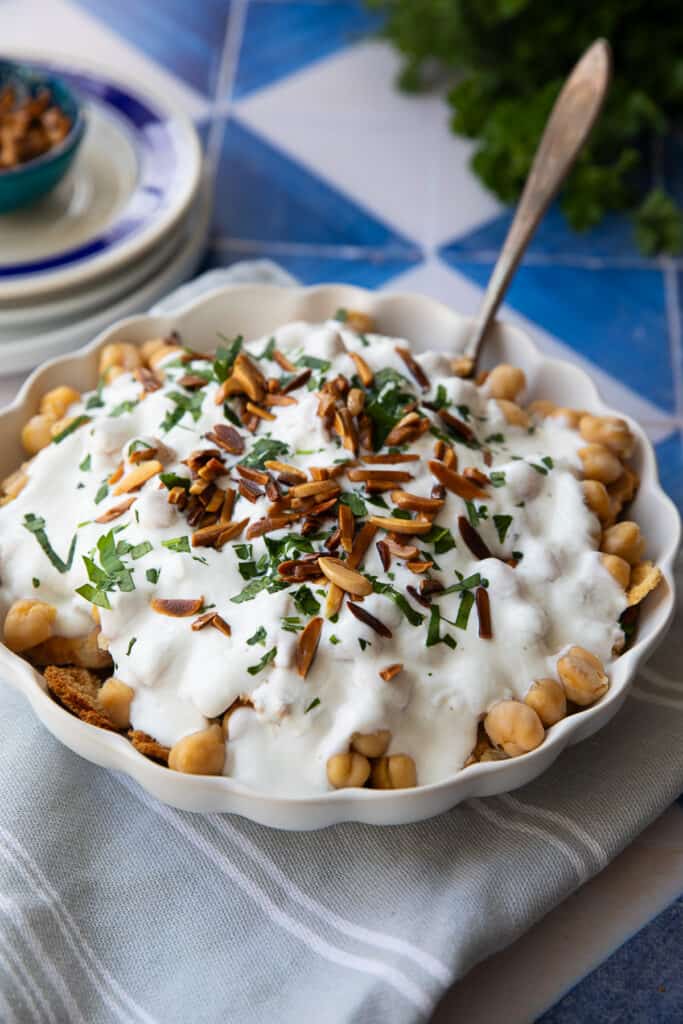 Vegetarian
Fatteh is a generous Levantine dish made with crisp pita bread, warm chickpeas and a creamy yogurt, tahini, lemon and garlic sauce, finished with toasted pine nuts, parsley and spices. The contrast between crunchy bread, tender chickpeas and cool creamy sauce is essential to the dish.
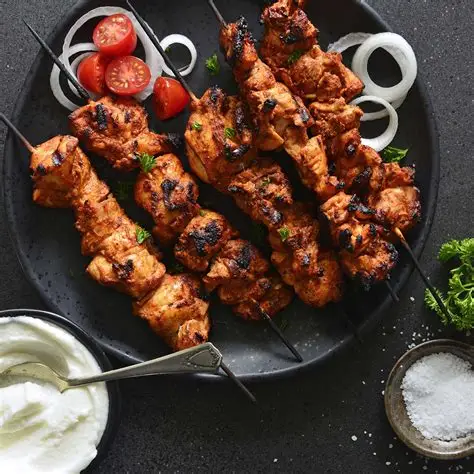 Meat
MeatShish Tawook is an iconic Levantine chicken skewer marinated in yogurt, lemon, garlic, oil and spices, then grilled over high heat. A good marinade tenderises the meat, promotes browning and produces juicy chicken with lightly caramelised edges.
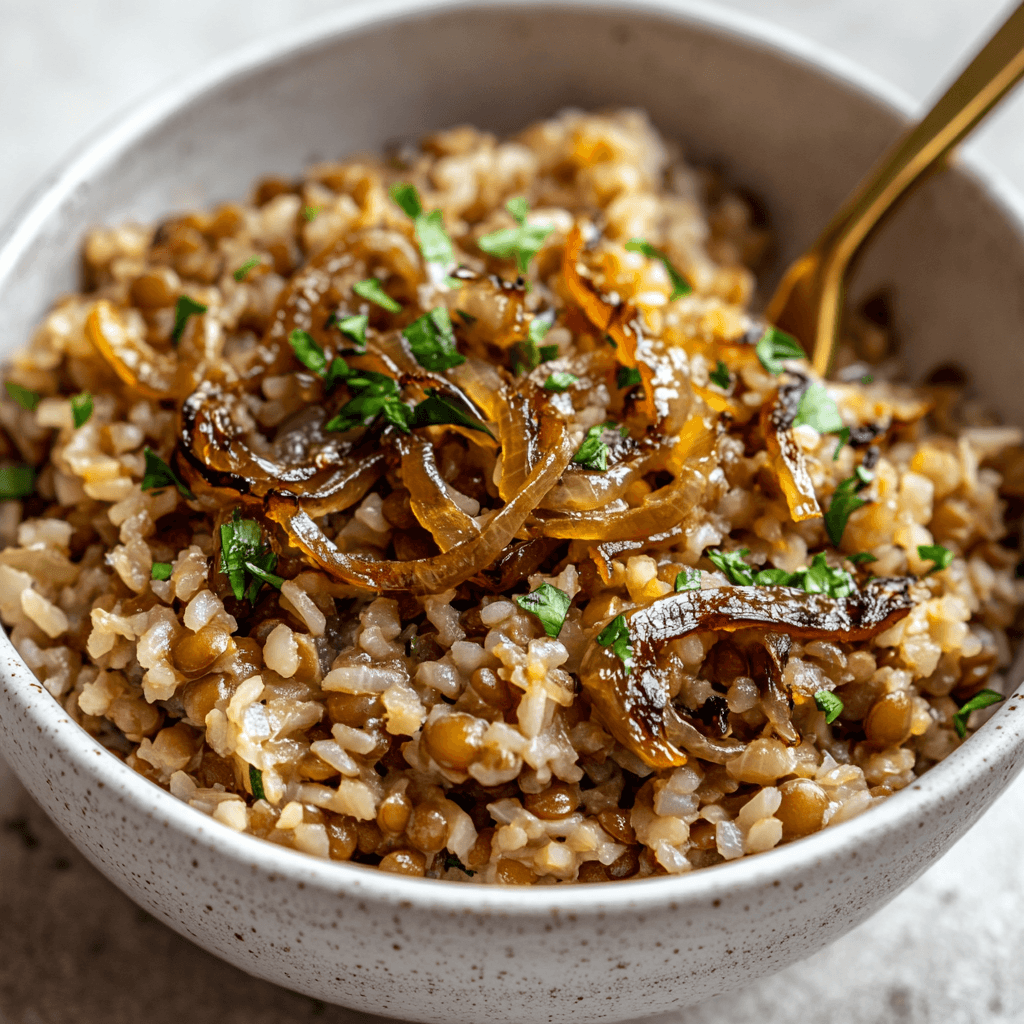 Vegan
VeganMujaddara is a Levantine classic made with lentils, rice and deeply browned onions. Simple, nourishing and aromatic, it relies on the contrast between tender lentils, separate grains of rice and a generous amount of almost crisp caramelised onions.