Falafel
Crisp on the outside and tender inside, these falafel are made from soaked dried chickpeas, fresh herbs, onion, garlic and spices. This recipe details the mixture, resting, shaping and frying techniques needed for a light texture rather than a dense or mushy one.
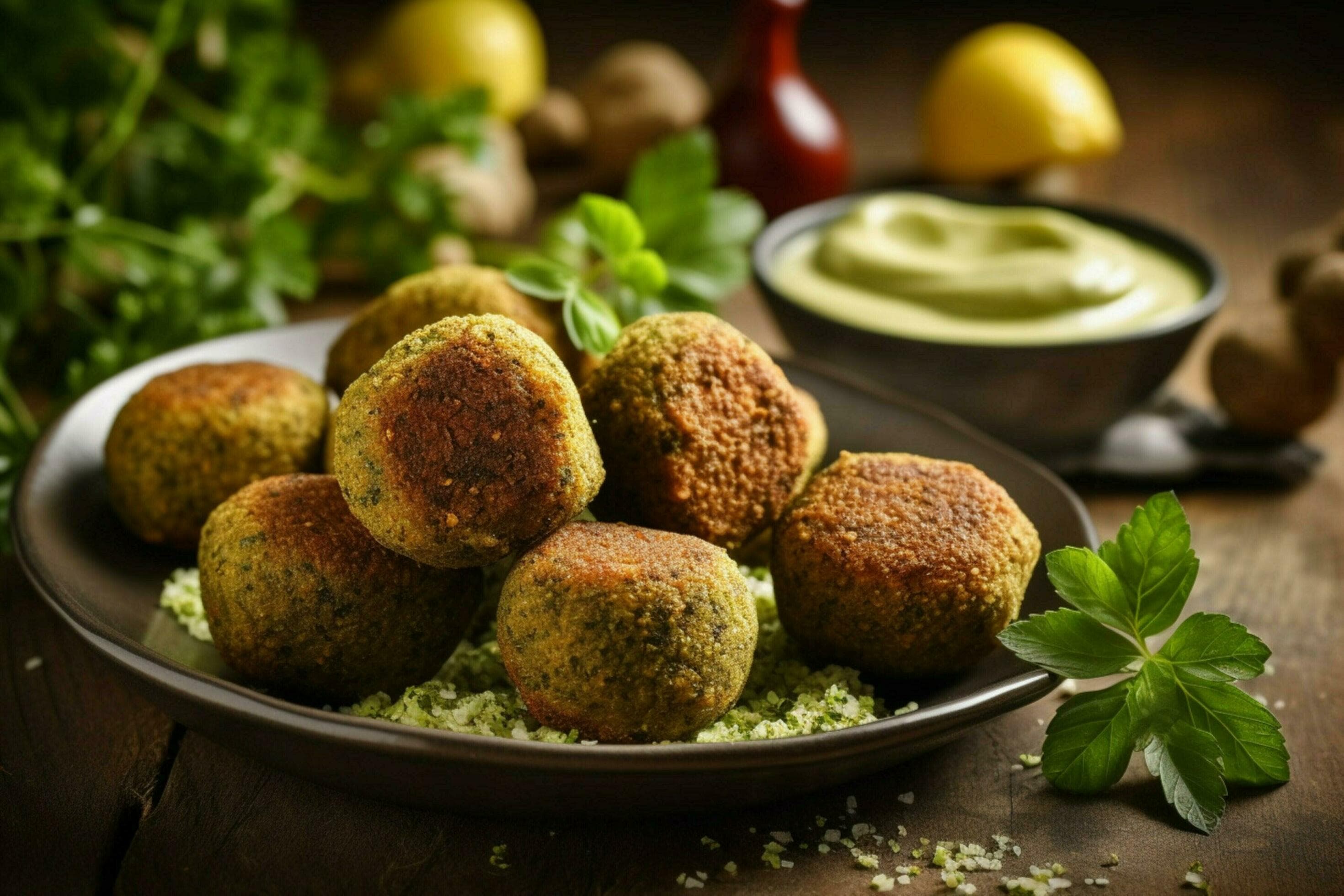
About 360 kcal per serving
Ingredients
- dried chickpeas (soaked for 12 to 18 hours, then thoroughly drained)400 g
- yellow onion (roughly chopped)1 piece
- garlic cloves (peeled)4 pieces
- flat-leaf parsley (leaves and tender stems)40 g
- fresh coriander (leaves and tender stems)40 g
- ground cumin10 g
- ground coriander8 g
- cayenne pepper (optional, adjust to taste)2 g
- fine salt (adjust to taste)9 g
- ground black pepper2 g
- baking soda (add just before cooking)5 g
- chickpea flour (optional, only if the mixture is too crumbly)20 g
- vegetable oil (approximate amount for deep frying)1 000 ml
Preparation
Soak the chickpeas
The day before, rinse the dried chickpeas and place them in a large bowl. Cover with at least three times their volume of cold water. Soak for twelve to eighteen hours; they should swell considerably but remain raw.
Drain and dry
Drain the chickpeas and rinse briefly. Spread them on a clean towel or paper towels and dry thoroughly. Excess moisture makes falafel fragile and less crisp.
Prepare the aromatics
Roughly chop the onion. Rinse and thoroughly dry the parsley and coriander. Prepare the garlic, cumin, ground coriander, chilli, salt and pepper so everything is ready before processing.
Process the first batch
Place about half the chickpeas, onion, herbs and garlic in the food processor. Pulse in short bursts, scraping down the sides. The mixture should become fine and even without turning into a purée.
Process the remaining mixture
Transfer the first batch to a bowl, then process the remainder in the same way. Combine both batches and check the texture: the particles should be very small but still perceptible.
Add the spices
Add the cumin, ground coriander, chilli, salt and pepper. Mix thoroughly with a spatula or by hand so the spices are evenly distributed.
Check the consistency
Press a spoonful of mixture in your hand. It should form a ball that holds together without being sticky. If it crumbles completely, gradually add the chickpea flour, using only as much as needed.
Rest the mixture
Cover the bowl and refrigerate the mixture for thirty to sixty minutes. This resting time develops the flavours and helps the mixture hold together during shaping.
Add the baking soda
Just before cooking, sprinkle the baking soda over the mixture and mix thoroughly. It helps create a lighter interior texture.
Shape the falafel
Use about 30 to 35 g of mixture for each falafel. Press lightly between your hands, then form a ball or small patty about four centimetres wide. Do not compress excessively.
Fry a test falafel
Heat the oil to 175°C. Fry a single test falafel for about three to four minutes. If it breaks apart, add a small amount of chickpea flour to the remaining mixture before continuing.
Fry the first batch
Carefully lower four to six falafel into the oil depending on the size of the pan. Fry for three to four minutes, turning if necessary, until evenly deep golden brown.
Maintain the oil temperature
Between batches, allow the oil to return to around 175°C. Oil that is too cool makes greasy falafel; oil that is too hot browns the outside before the interior heats properly.
Drain
Remove the falafel with a slotted spoon and place on a rack or paper towels. Drain for only one to two minutes to keep the crust crisp.
Serve
Serve immediately while still hot, with hummus, tahini sauce, pita bread, tomatoes, cucumber, salad, pickles and fresh herbs.
Tips & tricks
- Use soaked dried chickpeas rather than canned chickpeas for an authentic texture.
- Soak the chickpeas for at least twelve hours in plenty of cold water.
- Drain and dry the chickpeas very thoroughly before processing.
- Pulse the mixture so it becomes fine but still slightly granular.
- Do not process the mixture into a smooth purée.
- Use plenty of parsley and coriander for a fresh, aromatic filling.
- Rest the mixture in the refrigerator for at least thirty minutes before shaping.
- Add the baking soda just before cooking for a lighter interior.
- Shape evenly sized falafel for consistent cooking.
- Keep the oil around 175°C for rapid crust formation without burning.
- Do not overcrowd the fryer because the oil temperature will drop.
- Drain the falafel on a rack or paper towels and serve immediately.
Variations
- Add extra chilli for a spicier version.
- Coat the surface with sesame seeds before frying.
- Replace some of the parsley with extra coriander.
- Add a little fresh mint to the mixture.
- Bake the falafel at 210°C with a drizzle of oil.
- Cook the falafel in an air fryer for a lower-fat version.
- Serve in pita bread with hummus, tahini and raw vegetables.
- Make smaller falafel for a mezze platter.
Storage
Cooked falafel keep for up to three days in the refrigerator in an airtight container. To restore crispness, reheat in a 190°C oven for eight to ten minutes or in an air fryer for a few minutes. The raw mixture can be refrigerated for up to twenty-four hours before adding the baking soda. Shaped uncooked falafel can also be frozen for up to two months.
Nutrition facts(per serving)
| Calories | 360 kcal |
|---|---|
| Protein | 15 g |
| Carbs | 37 g |
| Fat | 18 g |
| Fiber | 10 g |
| Sugars | 5 g |
What to serve with this recipe?
- Hummus
- Tahini sauce
- Pita bread
- Tomato and cucumber salad
Frequently asked questions
Reviews
No reviews yet. Be the first to leave one!
Similar recipes
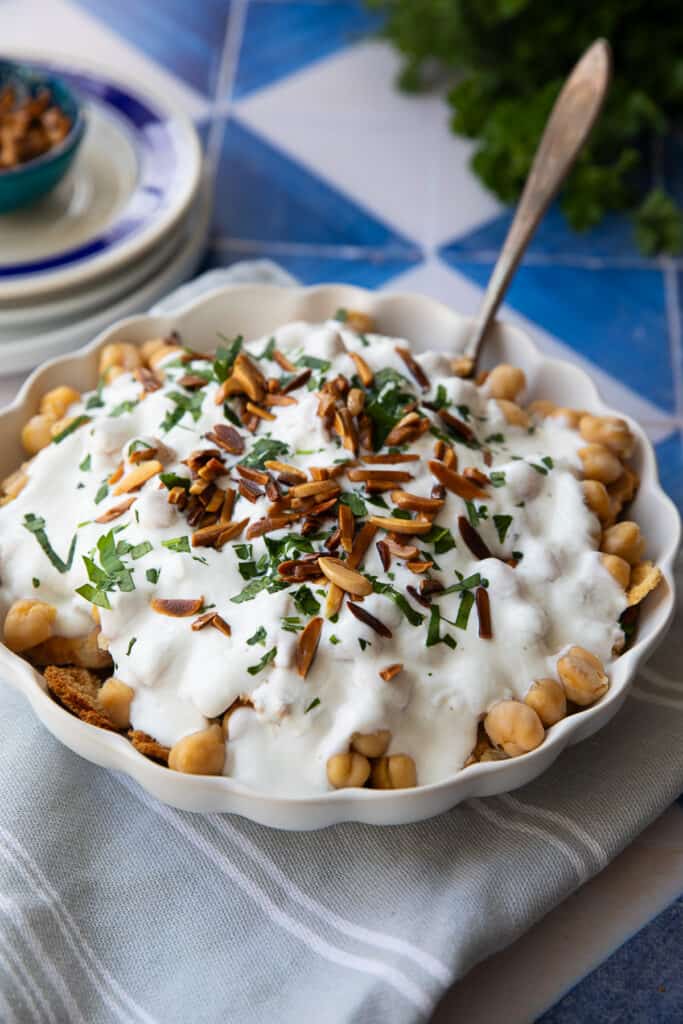 Vegetarian
Fatteh is a generous Levantine dish made with crisp pita bread, warm chickpeas and a creamy yogurt, tahini, lemon and garlic sauce, finished with toasted pine nuts, parsley and spices. The contrast between crunchy bread, tender chickpeas and cool creamy sauce is essential to the dish.
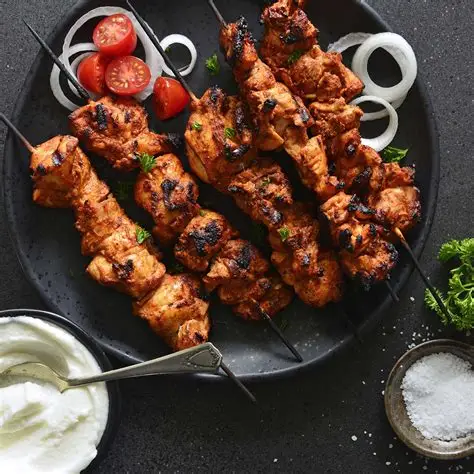 Meat
MeatShish Tawook is an iconic Levantine chicken skewer marinated in yogurt, lemon, garlic, oil and spices, then grilled over high heat. A good marinade tenderises the meat, promotes browning and produces juicy chicken with lightly caramelised edges.
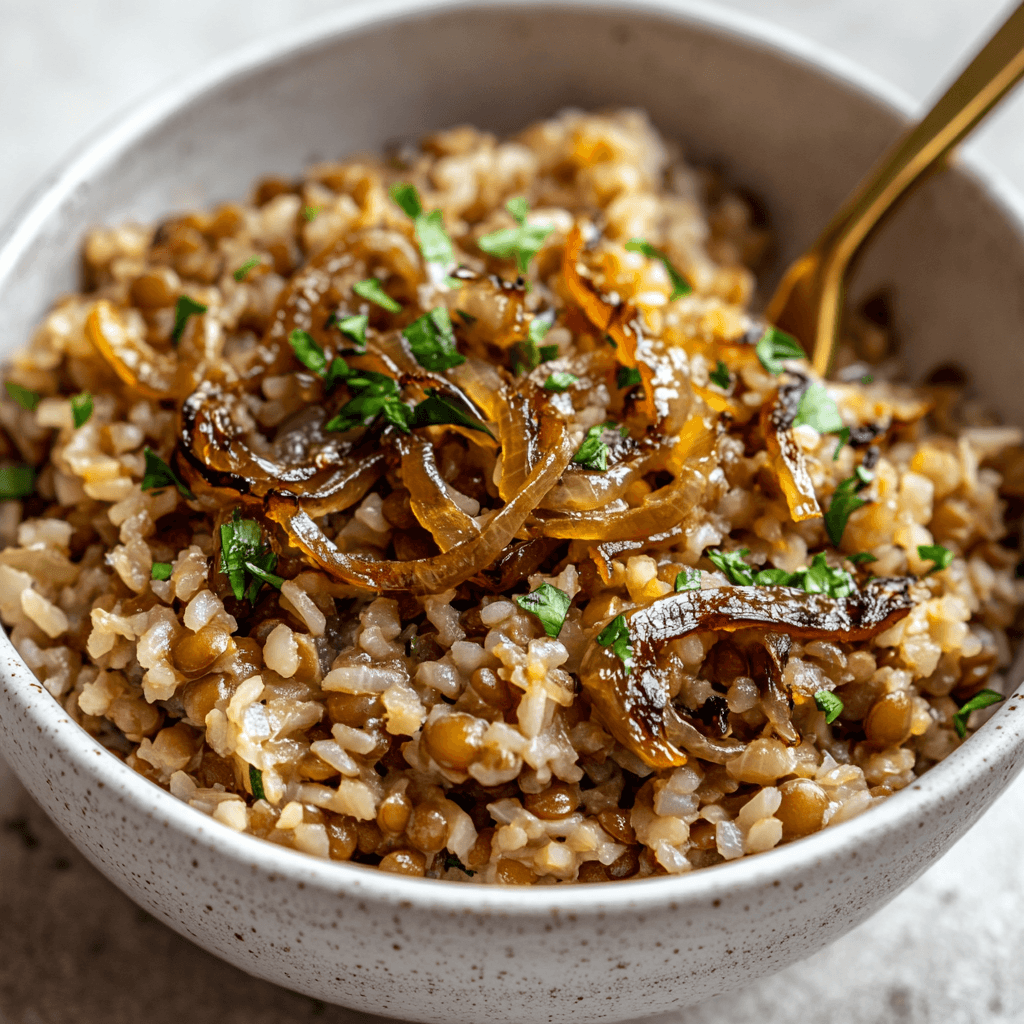 Vegan
VeganMujaddara is a Levantine classic made with lentils, rice and deeply browned onions. Simple, nourishing and aromatic, it relies on the contrast between tender lentils, separate grains of rice and a generous amount of almost crisp caramelised onions.