Japanese Tonkatsu
A Japanese pork cutlet coated in panko breadcrumbs, crispy on the outside and tender on the inside, served with tonkatsu sauce and finely shredded cabbage.
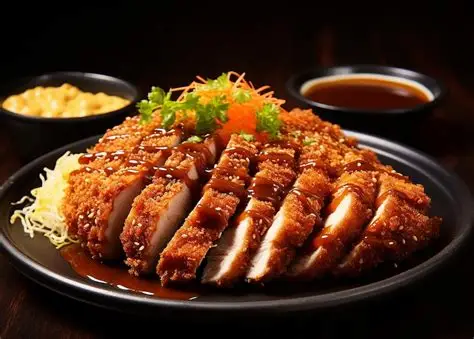
About 590 kcal per serving
Ingredients
- Boneless pork chops (about 150 g each)4
- Flour80 g
- Eggs (beaten)2
- Panko breadcrumbs150 g
- Salt4 g
- Black pepper (freshly ground)2 g
- Frying oil (approximate amount depending on the pot)800 ml
- Green cabbage (very finely shredded)300 g
- Tonkatsu sauce (for serving)100 ml
- Lemon (cut into wedges)1
- Japanese mustard (optional)20 g
Preparation
Prepare the meat
Trim excess fat if necessary, then make a few small cuts along the edges to prevent the pork chops from curling. Lightly flatten them and season with salt and pepper.
Prepare the breading
Place the flour, beaten eggs, and panko in three separate shallow dishes.
Bread the pork
Coat each pork chop in flour, shaking off the excess, then dip it into the beaten eggs and finally coat it with the panko. Press gently so the breadcrumbs adhere well.
Heat the oil
Heat the oil in a deep pot or deep fryer to 170 to 175 °C.
Fry the tonkatsu
Lower one or two cutlets at a time into the oil and fry for 4 to 5 minutes, turning halfway through, until golden brown and cooked through.
Drain
Place the tonkatsu on a wire rack or paper towels and let it rest for 3 to 4 minutes.
Slice
Slice each tonkatsu into even strips about 2 cm wide.
Plate and serve
Serve with shredded cabbage, tonkatsu sauce, a lemon wedge, and a little Japanese mustard.
Tips & tricks
- Lightly flatten the pork chops to achieve an even thickness and uniform cooking.
- Gently press the panko onto the meat so it adheres well during frying.
- Keep the oil between 170 and 175 °C to achieve a crispy coating without burning it.
- Let the tonkatsu rest on a wire rack for a few minutes after cooking to preserve its crispiness.
- Slice the meat into strips only just before serving.
Variations
- Replace the pork with chicken to make chicken katsu.
- Bake it in the oven or cook it in an Air Fryer for a lighter version.
- Add cheese between two thin cutlets for a stuffed version.
- Serve the tonkatsu over rice with an egg and onions to make katsudon.
Storage
Store cooked tonkatsu in an airtight container in the refrigerator for up to 2 days. Reheat it in a 180 °C oven for 8 to 10 minutes or in an Air Fryer to restore the crispy coating. Avoid using the microwave, as it softens the breading.
Nutrition facts(per serving)
| Calories | 590 kcal |
|---|---|
| Protein | 42 g |
| Carbs | 38 g |
| Fat | 31 g |
| Fiber | 4 g |
| Sugars | 7 g |
What to serve with this recipe?
- Japanese rice
- Miso soup
- Shredded cabbage
- Japanese pickles
- Japanese curry
Frequently asked questions
Reviews
No reviews yet. Be the first to leave one!
Similar recipes
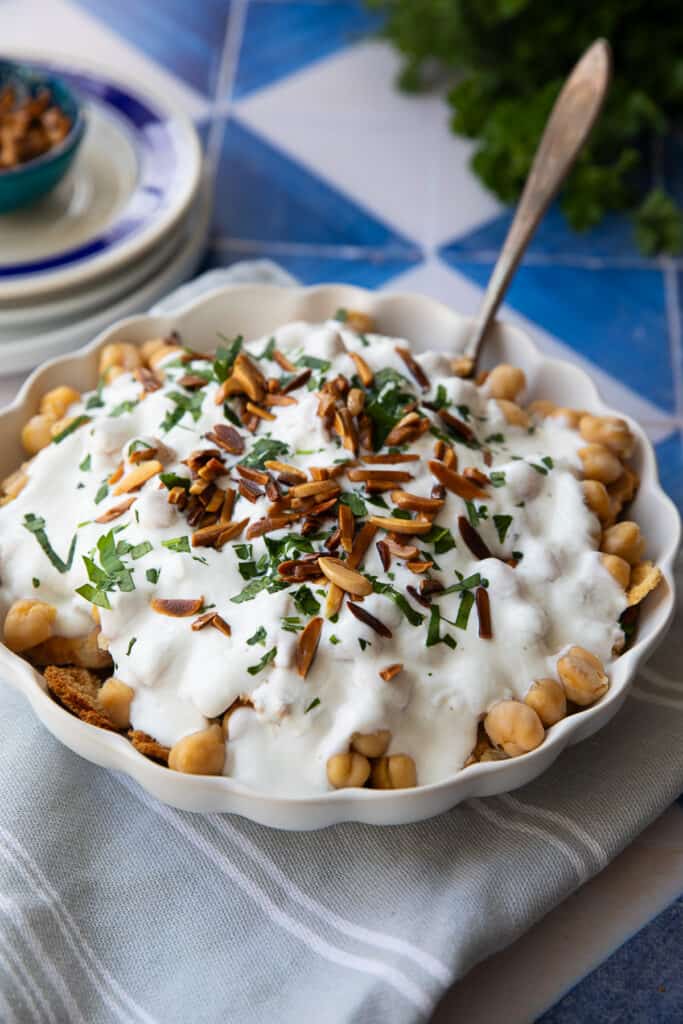 Vegetarian
Fatteh is a generous Levantine dish made with crisp pita bread, warm chickpeas and a creamy yogurt, tahini, lemon and garlic sauce, finished with toasted pine nuts, parsley and spices. The contrast between crunchy bread, tender chickpeas and cool creamy sauce is essential to the dish.
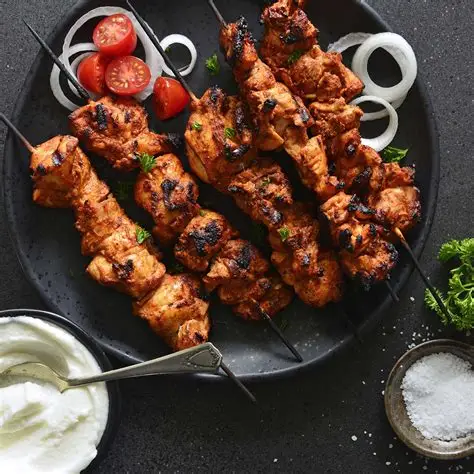 Meat
MeatShish Tawook is an iconic Levantine chicken skewer marinated in yogurt, lemon, garlic, oil and spices, then grilled over high heat. A good marinade tenderises the meat, promotes browning and produces juicy chicken with lightly caramelised edges.
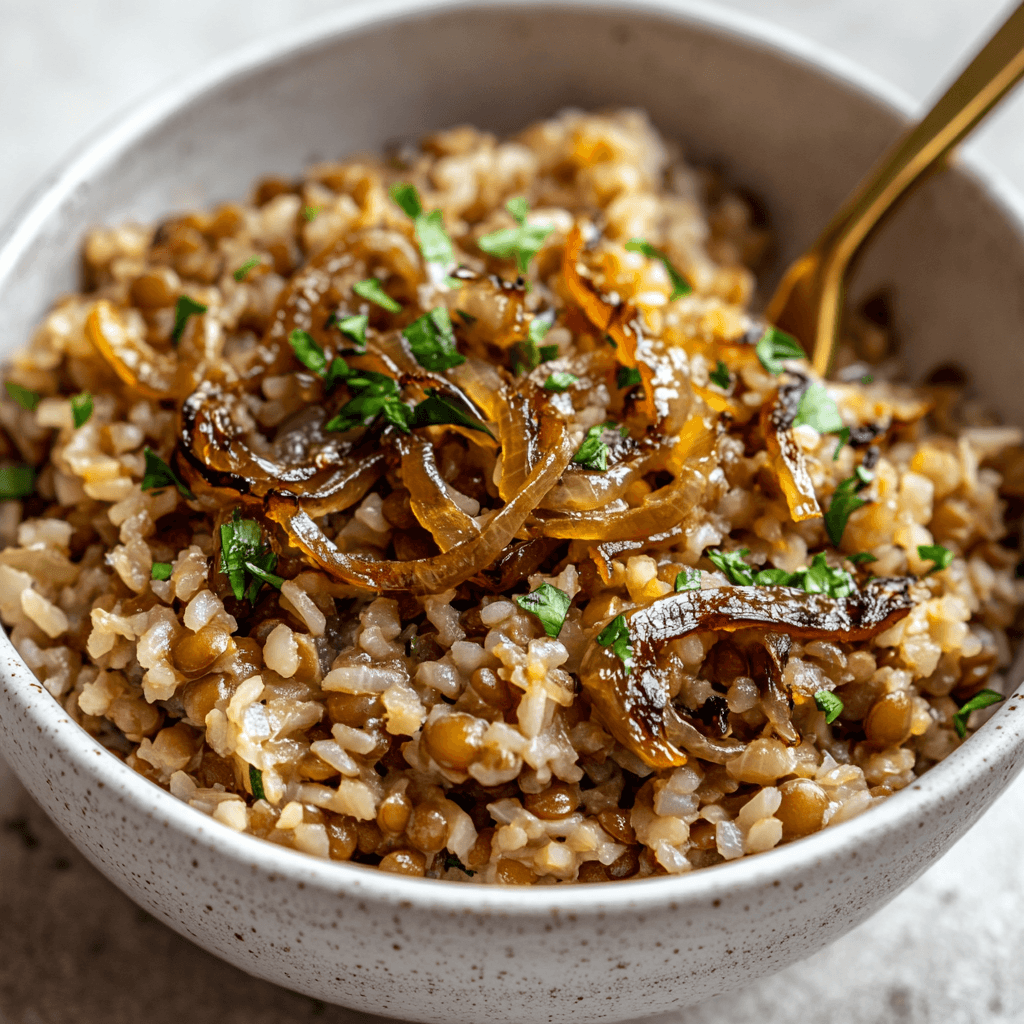 Vegan
VeganMujaddara is a Levantine classic made with lentils, rice and deeply browned onions. Simple, nourishing and aromatic, it relies on the contrast between tender lentils, separate grains of rice and a generous amount of almost crisp caramelised onions.