Jiaozi – Chinese Dumplings
Traditional Chinese dumplings filled with pork, Chinese cabbage, spring onion, ginger and soy sauce, wrapped in thin dough and cooked by boiling, steaming or pan-frying. This version explains the dough, salting the cabbage, seasoning the filling, shaping and three cooking methods in detail.
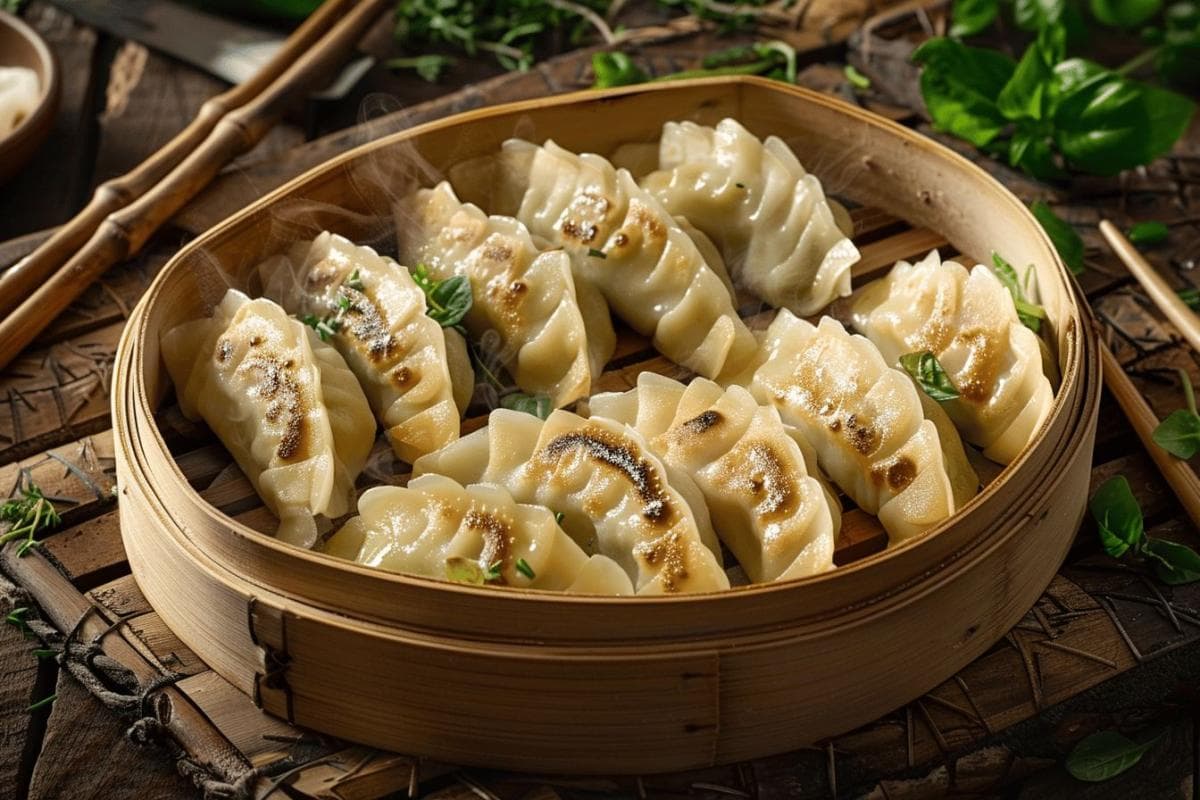
About 430 kcal per serving
Ingredients
- wheat flour (for the dough)400 g
- water (lukewarm, adjust according to the flour)210 ml
- fine salt (for the dough)3 g
- minced pork (ideally with some fat)450 g
- Chinese cabbage (very finely chopped)300 g
- fine salt (for salting the cabbage)5 g
- spring onions (finely sliced)5 pieces
- fresh ginger (finely grated)20 g
- light soy sauce (for the filling)30 ml
- Shaoxing rice wine (optional)15 ml
- sesame oil (for the filling)15 ml
- ground white pepper2 g
- cold water (to mix into the filling for juiciness)40 ml
- Chinese black vinegar (for the dipping sauce)60 ml
- light soy sauce (for the dipping sauce)40 ml
- chilli oil (optional, for serving)10 ml
- vegetable oil (only for pan-frying)20 ml
Preparation
Prepare the dough
Mix the flour and 3 g of salt in a large bowl. Gradually add the lukewarm water while stirring with chopsticks or a fork. When rough pieces of dough begin to form, bring everything together by hand.
Knead the dough
Knead for eight to ten minutes on a work surface until the dough is smooth and fairly firm. If very dry, lightly wet your hands rather than adding a large amount of water. Shape into a ball.
Rest the dough
Cover the dough tightly or place it under an overturned bowl. Let rest for at least thirty minutes at room temperature. This relaxes the gluten and makes rolling much easier.
Salt the cabbage
Mix the very finely chopped Chinese cabbage with the 5 g of salt. Leave for fifteen minutes. The cabbage will release a significant amount of water.
Squeeze the cabbage
Transfer the cabbage to a clean cloth or squeeze it firmly between your hands to remove as much liquid as possible. This is essential to prevent a watery filling that would soften the wrappers.
Start the filling
Place the minced pork in a large bowl with the soy sauce, Shaoxing wine, sesame oil and white pepper. Stir vigorously in one direction for two to three minutes.
Hydrate the filling
Add the cold water in three or four additions, one spoonful at a time, stirring in the same direction. Wait until each addition is absorbed before adding the next. The filling should become softer, glossy and slightly sticky.
Finish the filling
Add the squeezed cabbage, spring onions and ginger. Mix gently but thoroughly until evenly distributed. Cover and refrigerate while shaping the dough.
Divide the dough
Cut the rested dough into four pieces. Keep three pieces covered. Roll the first into a rope about two centimetres thick, then cut it into small portions of about ten to twelve grams.
Make the wrappers
Flatten each portion with your palm. Using a small rolling pin, roll while rotating the disc regularly until about eight to nine centimetres wide. Keep the centre slightly thicker than the edges so it supports the filling.
Fill the jiaozi
Place about one heaped teaspoon of filling in the centre of each wrapper. Keep the edge free of filling and grease, as this would prevent the dumpling from sealing.
Seal the dumplings
Fold the wrapper into a half-moon. Pinch the centre first, then seal both sides while pressing out air around the filling. For a classic finish, make two to four small pleats on one side before pressing it against the opposite edge.
Hold the jiaozi before cooking
Place the finished dumplings on a lightly floured or starch-dusted tray without touching. Cover with a clean cloth while shaping the remainder.
Boiling method
Bring a large pot of water to a lively simmer. Add the jiaozi in batches and stir gently once so they do not stick to the bottom. When they rise to the surface, cook for another two to three minutes. Remove with a slotted spoon.
Steaming method
Line the steamer basket with perforated baking paper or cabbage leaves. Arrange the jiaozi without touching. Steam vigorously for ten to twelve minutes, until the wrappers are translucent in places and the filling is cooked through.
Pan-frying method
Heat the vegetable oil in a large non-stick frying pan. Place the jiaozi flat-side down and cook for two to three minutes until a golden crust forms. Add about 80 ml of water, cover immediately and cook for six to eight minutes. Remove the lid and let the remaining water evaporate so the base becomes crisp again.
Prepare the dipping sauce
Mix the black vinegar and soy sauce. Add chilli oil to taste. Very finely sliced ginger or spring onion can also be added.
Serve immediately
Serve the jiaozi hot with the vinegar dipping sauce. For a complete meal, add a light broth, stir-fried vegetables or Chinese cucumber salad.
Tips & tricks
- Knead the dough until smooth, then let it rest to relax the gluten.
- Chop the cabbage very finely so the filling stays compact.
- Salt the cabbage, then squeeze it firmly to remove excess water.
- Stir the filling consistently in one direction until slightly sticky.
- Do not overfill the dumplings so the edges can be sealed properly.
- Keep both dough pieces and shaped dumplings covered while working so they do not dry out.
- Moisten the wrapper edge only very lightly if it has become dry.
- Press out air around the filling before sealing the dumpling.
- For pan-fried jiaozi, allow a crust to form before adding water.
- Freeze uncooked dumplings separately on a tray before transferring them to a bag.
Variations
- Replace the pork with minced chicken.
- Prepare a shrimp and spring onion filling.
- Use shiitake mushrooms and tofu for a vegetarian version.
- Use Chinese chives instead of cabbage.
- Add a few drops of chilli oil to the dipping sauce.
- Pan-fry the jiaozi to make crispy guotie.
Storage
Uncooked jiaozi can be refrigerated for a few hours on a floured tray, although it is best to cook them quickly so the wrappers do not soften. To freeze, place them without touching on a tray until solid, then transfer to an airtight bag for up to two months. Cook directly from frozen, adding a few minutes to the cooking time.
Nutrition facts(per serving)
| Calories | 430 kcal |
|---|---|
| Protein | 22 g |
| Carbs | 54 g |
| Fat | 14 g |
| Fiber | 4 g |
| Sugars | 4 g |
What to serve with this recipe?
- Soy and black vinegar dipping sauce
- Chinese cucumber salad
- Stir-fried bok choy
- Jasmine tea
Frequently asked questions
Reviews
No reviews yet. Be the first to leave one!
Similar recipes
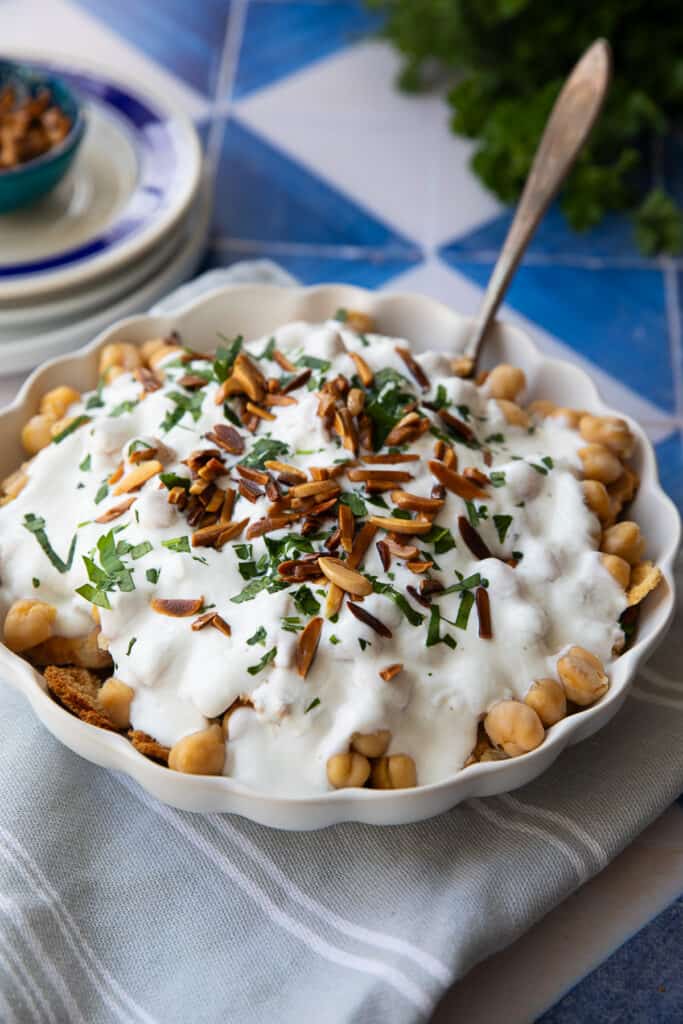 Vegetarian
Fatteh is a generous Levantine dish made with crisp pita bread, warm chickpeas and a creamy yogurt, tahini, lemon and garlic sauce, finished with toasted pine nuts, parsley and spices. The contrast between crunchy bread, tender chickpeas and cool creamy sauce is essential to the dish.
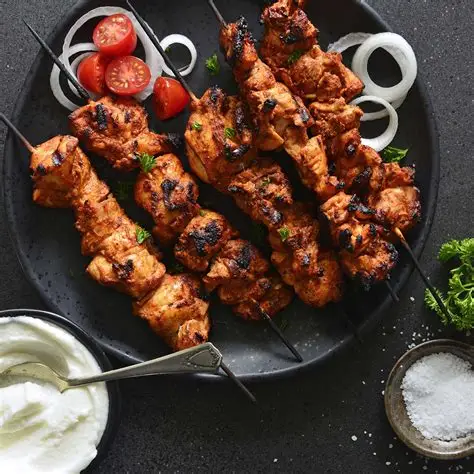 Meat
MeatShish Tawook is an iconic Levantine chicken skewer marinated in yogurt, lemon, garlic, oil and spices, then grilled over high heat. A good marinade tenderises the meat, promotes browning and produces juicy chicken with lightly caramelised edges.
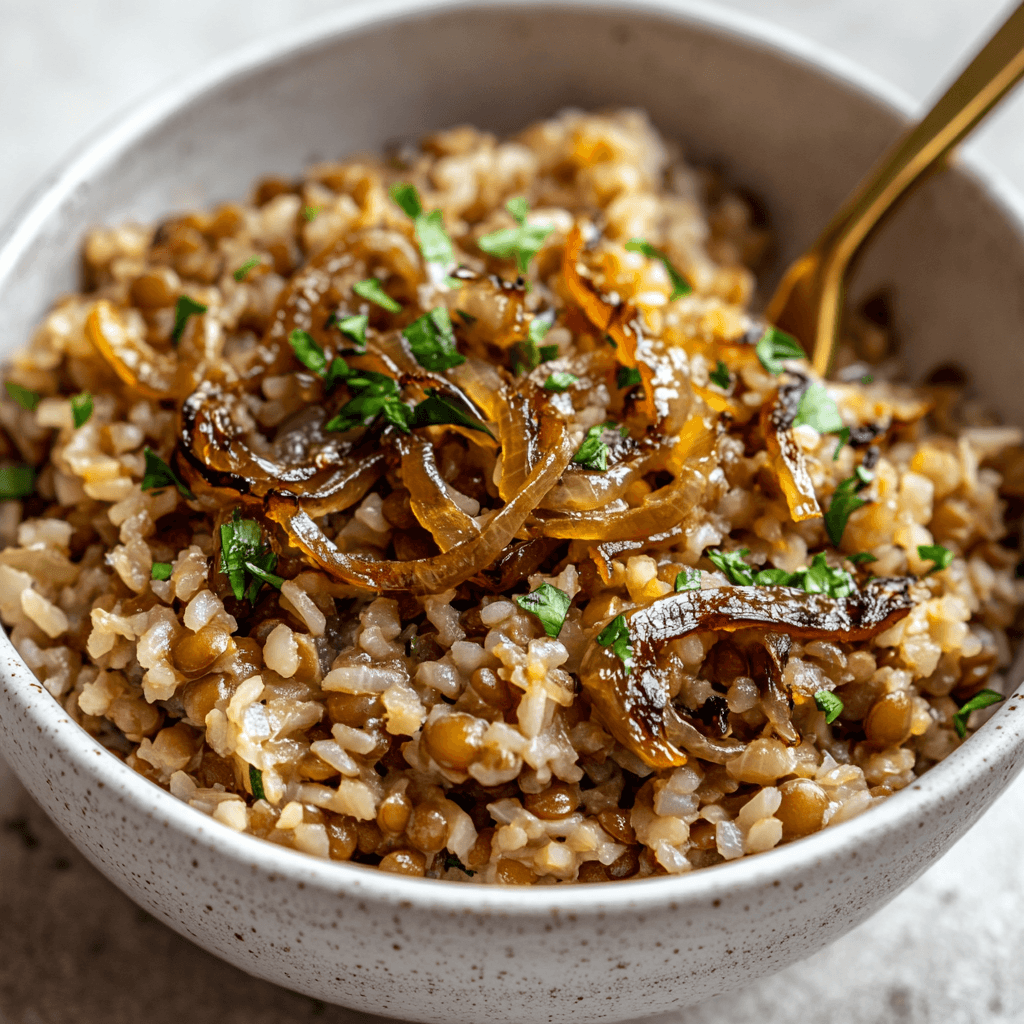 Vegan
VeganMujaddara is a Levantine classic made with lentils, rice and deeply browned onions. Simple, nourishing and aromatic, it relies on the contrast between tender lentils, separate grains of rice and a generous amount of almost crisp caramelised onions.