Lebanese Tabbouleh
A very fresh Lebanese tabbouleh in which parsley greatly outweighs bulgur, with tomato, mint, onion, lemon and olive oil. Unlike couscous-heavy versions, traditional Lebanese tabbouleh is primarily a finely chopped herb salad with a bright, tangy flavour.
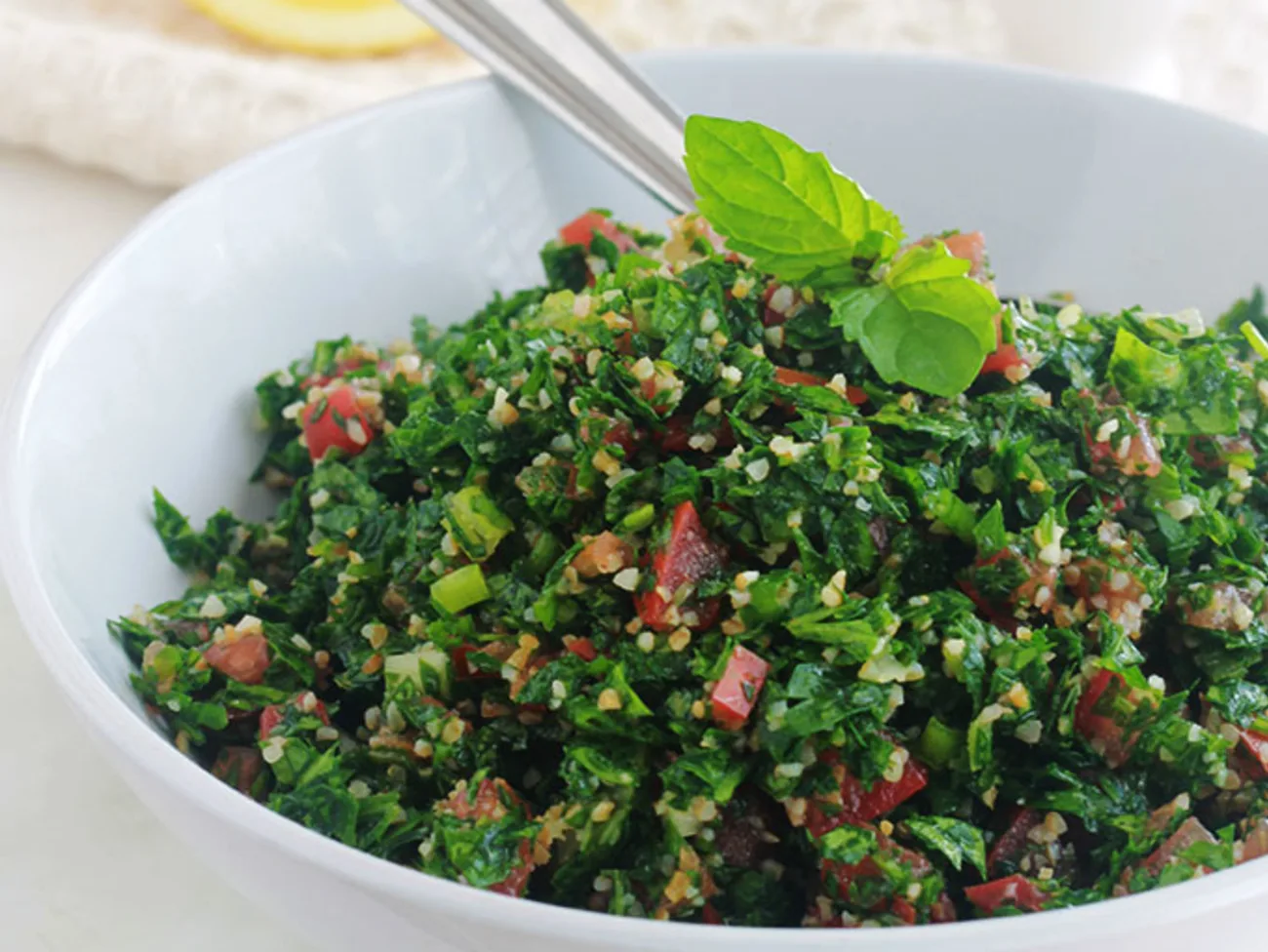
About 210 kcal per serving
Ingredients
- fine bulgur (fine grain, rinsed)80 g
- hot water (for hydrating the bulgur)90 ml
- flat-leaf parsley (washed, thoroughly dried, thick stems removed)250 g
- fresh mint (leaves only, thoroughly dried)40 g
- ripe tomatoes (cut into very small dice)450 g
- spring onion or mild onion (very finely chopped)80 g
- lemon juice (freshly squeezed, adjust to taste)100 ml
- extra virgin olive oil (fruity but not excessively bitter)80 ml
- fine salt (adjust after tasting)7 g
- ground black pepper (optional)2 g
- sumac (optional, for serving)2 g
Preparation
Rinse the bulgur
Place the fine bulgur in a very fine sieve and rinse briefly under cold water to remove excess starch dust. Drain thoroughly before continuing.
Hydrate the bulgur
Place the bulgur in a bowl and pour about 90 ml of hot water over it. Stir, cover and leave for ten minutes. The grains should become tender while retaining a slight bite.
Drain excess water
If all the water has not been absorbed, drain the bulgur thoroughly. Spread it on a plate or tray so it cools quickly and does not continue softening.
Wash the herbs
Wash the parsley and mint in several changes of cold water if necessary to remove all traces of soil. Drain, then dry very thoroughly in a salad spinner and on a clean towel.
Prepare the parsley
Remove the thick parsley stems while keeping the tender small stems. Gather into compact bunches and chop very finely with a knife. Avoid repeatedly chopping over the herbs, which can bruise them.
Chop the mint
Stack a few mint leaves, roll them loosely and slice very finely. Add the mint to the parsley without seasoning yet.
Prepare the tomatoes
Cut the tomatoes into very small dice about five to eight millimetres wide. If they are especially juicy, let them drain in a sieve for five minutes so they do not water down the salad.
Prepare the onion
Chop the spring onion or mild onion very finely. For a milder flavour, rinse briefly under cold water and drain thoroughly before adding.
Prepare the dressing
Mix about 80 ml of lemon juice with the salt and pepper. Whisk until the salt is partly dissolved, then gradually whisk in the olive oil.
Combine the herbs and vegetables
In a large bowl, combine the parsley, mint, tomatoes and onion. Toss gently with two large spoons to distribute the ingredients without crushing the herbs.
Add the bulgur
Add the completely cooled bulgur. The bulgur should remain a minor component of the salad: it adds texture without overwhelming the parsley.
Dress gradually
Pour about three quarters of the dressing over the salad and toss gently. Wait one minute, then taste before adding the rest because the tomatoes will also release some juice.
Adjust the acidity
Gradually add the remaining 20 ml of lemon juice if a brighter flavour is desired. Adjust the salt and olive oil as well. The tabbouleh should be distinctly lemony without becoming harsh.
Rest briefly
Let the tabbouleh rest in the refrigerator for ten to fifteen minutes. This is enough time for the bulgur to absorb some dressing without allowing the herbs to wilt.
Toss before serving
Just before serving, toss once more, lifting the ingredients from the bottom of the bowl. Taste and adjust with a few drops of lemon or olive oil if necessary.
Serve
Serve well chilled, optionally sprinkled with a pinch of sumac, in a large serving dish or in romaine lettuce leaves. Pair with hummus, falafel, pita bread or grilled meats.
Tips & tricks
- Use much more parsley than bulgur; parsley should remain the main ingredient.
- Choose fine bulgur, which hydrates quickly without prolonged cooking.
- Do not drown the bulgur in water; the goal is to soften it without making it mushy.
- Dry the parsley and mint thoroughly before chopping.
- Chop the herbs with a knife rather than a food processor to avoid crushing and darkening them.
- Use a very sharp knife for a fine, clean cut.
- Remove excess juice from the tomatoes if they are very watery.
- Cut the tomato and onion into very small dice so every bite is balanced.
- Add the lemon juice gradually and adjust to the desired acidity.
- Add the olive oil after the lemon so it coats the herbs without weighing them down.
- Toss gently to preserve a light texture.
- Serve fairly soon after dressing so the herbs remain fresh and crisp.
Variations
- Replace some of the flat-leaf parsley with extra mint for an even fresher version.
- Add a few pomegranate seeds when serving.
- Add a small amount of cucumber for extra crunch, although it is not essential in the classic version.
- Replace the bulgur with quinoa for a gluten-free version.
- Add a pinch of sumac to intensify the acidity.
- Add a very small amount of pomegranate molasses for a more complex note.
- Serve the tabbouleh in romaine lettuce leaves.
- Add finely sliced radishes for extra crunch.
Storage
Lebanese tabbouleh is best eaten the same day. It can be kept for up to twenty-four hours in the refrigerator in an airtight container, but the herbs and tomatoes will gradually release water and lose freshness. For advance preparation, store the bulgur, vegetables, herbs and dressing separately and combine shortly before serving.
Nutrition facts(per serving)
| Calories | 210 kcal |
|---|---|
| Protein | 5 g |
| Carbs | 20 g |
| Fat | 13 g |
| Fiber | 5 g |
| Sugars | 4 g |
What to serve with this recipe?
- Hummus
- Falafel
- Pita bread
- Chicken shawarma
Frequently asked questions
Reviews
No reviews yet. Be the first to leave one!
Similar recipes
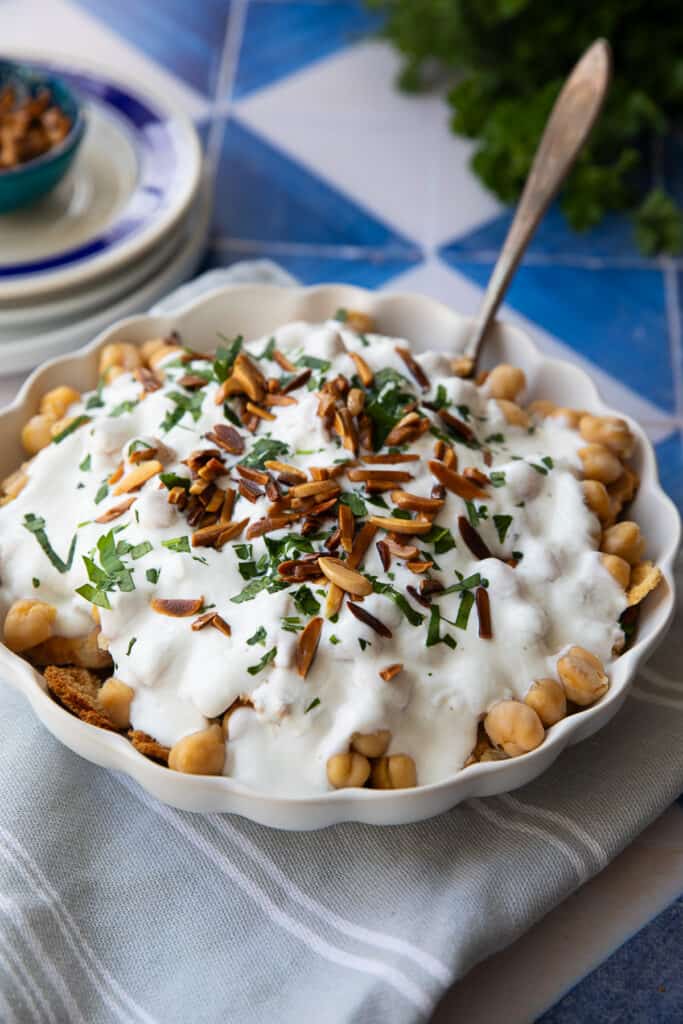 Vegetarian
Fatteh is a generous Levantine dish made with crisp pita bread, warm chickpeas and a creamy yogurt, tahini, lemon and garlic sauce, finished with toasted pine nuts, parsley and spices. The contrast between crunchy bread, tender chickpeas and cool creamy sauce is essential to the dish.
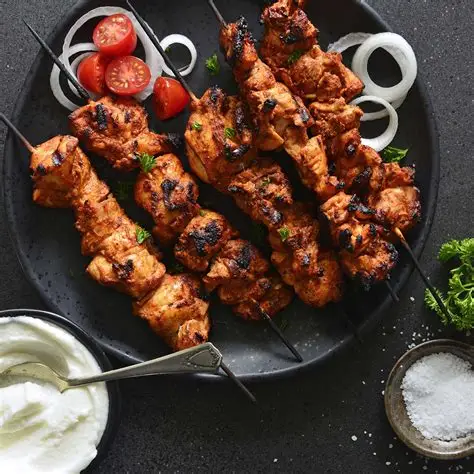 Meat
MeatShish Tawook is an iconic Levantine chicken skewer marinated in yogurt, lemon, garlic, oil and spices, then grilled over high heat. A good marinade tenderises the meat, promotes browning and produces juicy chicken with lightly caramelised edges.
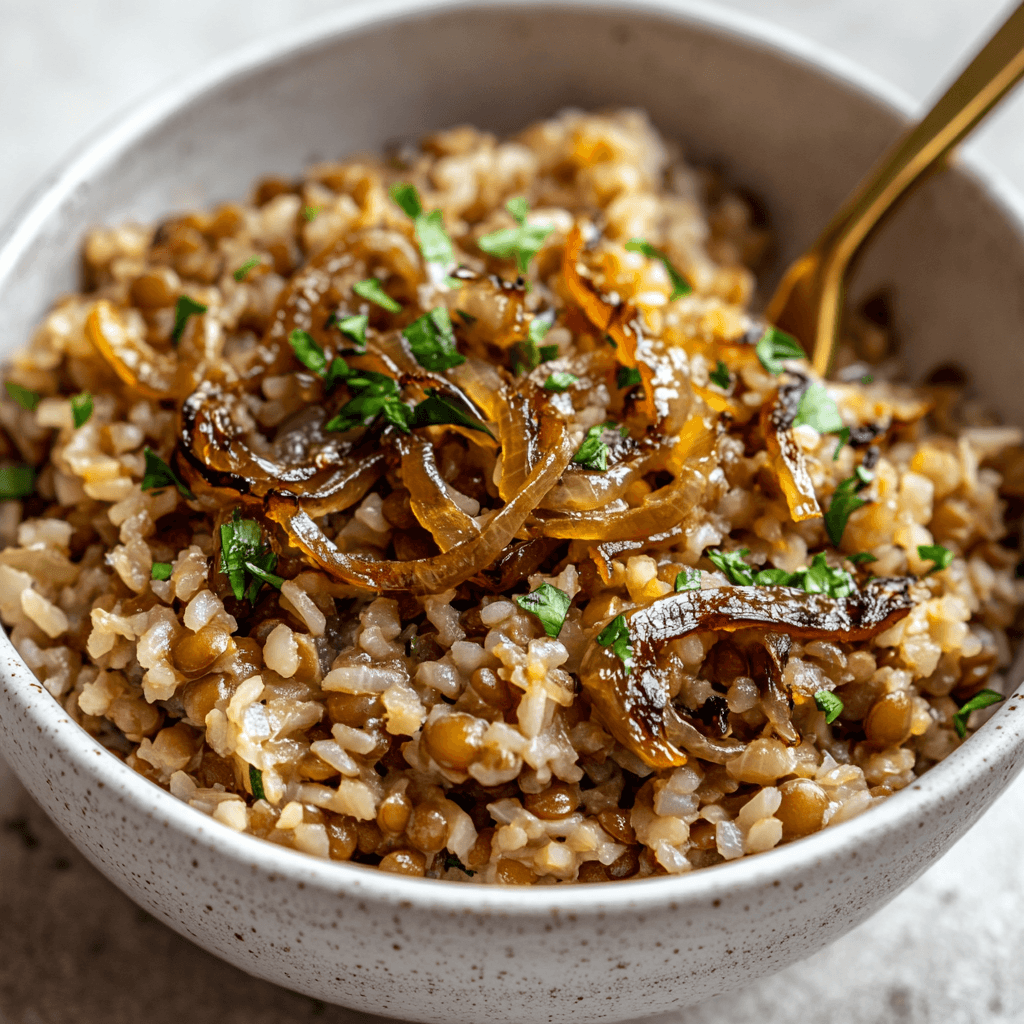 Vegan
VeganMujaddara is a Levantine classic made with lentils, rice and deeply browned onions. Simple, nourishing and aromatic, it relies on the contrast between tender lentils, separate grains of rice and a generous amount of almost crisp caramelised onions.