Mapo Tofu
An iconic Sichuan classic combining soft yet firm tofu, minced pork, spicy fermented broad-bean paste, chillies and Sichuan peppercorns. The dish balances heat, fermented depth, aromatic warmth and a gentle numbing sensation, with a glossy sauce that coats the tofu without breaking it apart.
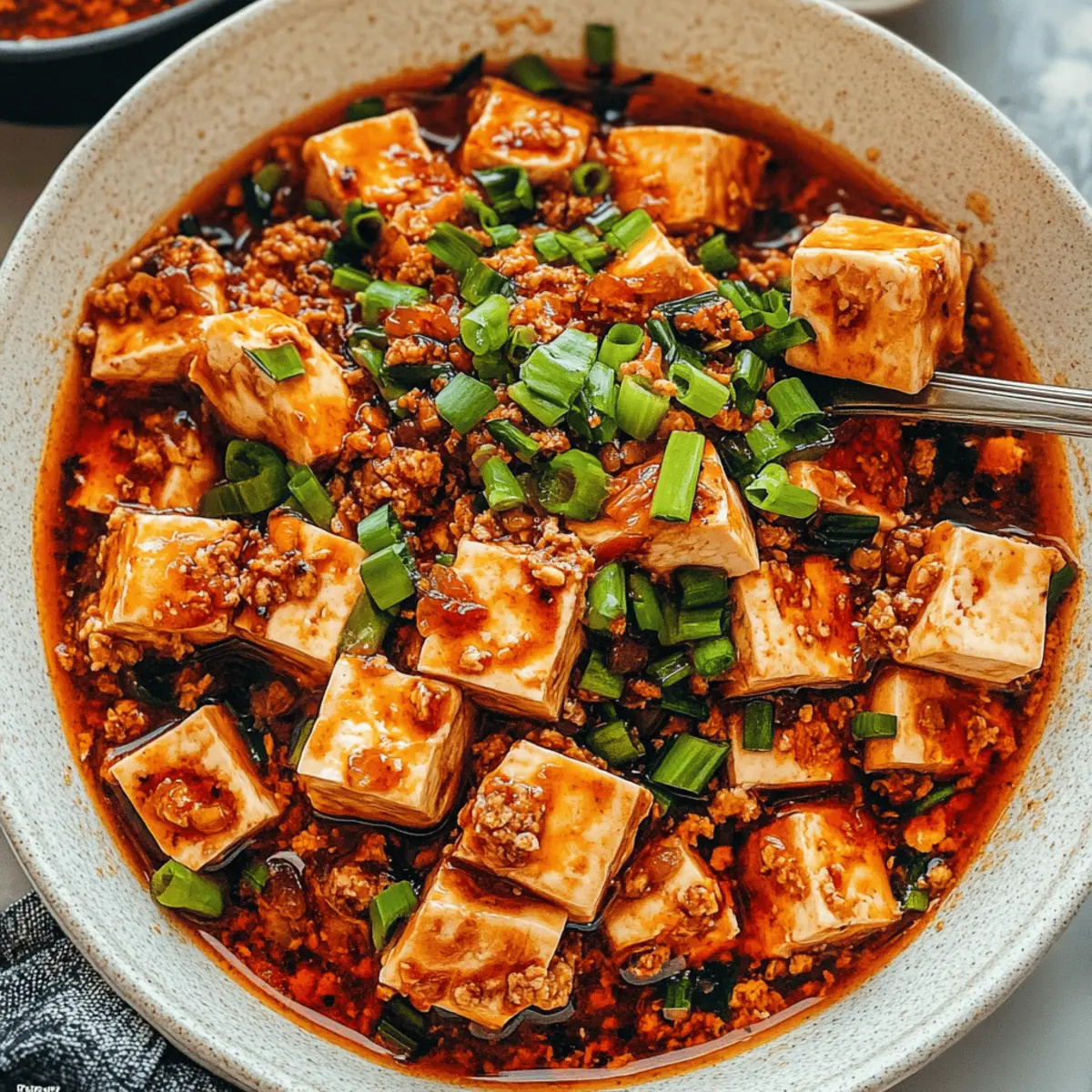
About 410 kcal per serving
Ingredients
- soft or medium-firm tofu (cut into 2 to 2.5 cm cubes)600 g
- minced pork (ideally with some fat)180 g
- doubanjiang (Sichuan spicy fermented broad-bean paste)35 g
- fermented black beans (optional, rinsed and chopped)10 g
- garlic cloves (finely chopped)3 pieces
- fresh ginger (finely chopped)15 g
- spring onions (white and green parts separated)4 pieces
- Sichuan peppercorns (lightly toasted and ground)6 g
- chilli flakes (adjust according to desired heat)5 g
- vegetable oil (for the wok)20 ml
- chilli oil (optional, for extra colour and heat)10 ml
- chicken stock (lightly salted)300 ml
- light soy sauce (adjust according to the doubanjiang)15 ml
- Shaoxing rice wine (optional)10 ml
- sugar (to balance the heat and fermentation)8 g
- cornstarch (for thickening the sauce)12 g
- cold water (for mixing with the cornstarch)30 ml
- water (for blanching the tofu)1 500 ml
- fine salt (for the blanching water)8 g
Preparation
Prepare the tofu
Drain the tofu gently, then cut it into even cubes about two to two and a half centimetres wide. Use a thin knife and handle the pieces carefully to avoid breaking them.
Blanch the tofu
Bring the water to a gentle simmer with the salt. Carefully add the tofu cubes and blanch for two to three minutes without boiling vigorously. This slightly firms their surface. Remove with a slotted spoon and drain.
Prepare the aromatics
Finely chop the garlic, ginger, white parts of the spring onions and fermented black beans if using. If the doubanjiang contains large pieces of bean or chilli, chop it slightly for a smoother sauce.
Prepare the Sichuan pepper
Toast the Sichuan peppercorns in a small dry pan for thirty to forty-five seconds over medium heat until very fragrant. Let cool, then grind finely. Reserve about one third for finishing.
Brown the pork
Heat the wok over medium-high heat and add the vegetable oil. Add the minced pork and spread it into a fairly thin layer. Let it brown briefly, then stir-fry for three to four minutes until well browned and lightly crisp in places.
Cook the doubanjiang
Reduce the heat slightly. Push the pork to one side and add the doubanjiang to the oil in the bottom of the wok. Fry for thirty to sixty seconds until the oil turns bright red and the paste becomes highly fragrant.
Add the aromatics
Add the garlic, ginger, white spring onion parts, fermented black beans and chilli flakes. Stir-fry for twenty to thirty seconds, stirring constantly to release the aromas without burning the garlic.
Add the stock
Pour in the stock, soy sauce, Shaoxing wine and sugar. Stir while scraping the bottom of the wok. Simmer for two minutes so the broth absorbs the flavours of the doubanjiang, pork and aromatics.
Add the tofu
Carefully add the tofu cubes to the sauce, ideally in a single layer. Use a wide spatula to distribute them without breaking them. Avoid vigorous stirring.
Simmer gently
Simmer the tofu for four to five minutes over medium-low heat. Gently shake the wok or push the sauce between the cubes with the spatula so they absorb flavour without falling apart.
Thicken the sauce
Mix the cornstarch with the cold water. Pour about half of the slurry into the wok in a thin stream while gently shaking it. Let thicken for thirty seconds, then add more only if needed. The sauce should be glossy and coat the tofu without becoming gummy.
Add the Sichuan pepper
Add about two thirds of the ground Sichuan pepper and, if desired, the chilli oil. Mix by gently swirling the wok to distribute the aromas.
Finish and serve
Turn off the heat. Sprinkle the green spring onion parts and remaining Sichuan pepper over the top. Serve immediately in a shallow bowl with steamed white rice.
Tips & tricks
- Use soft or medium-firm tofu rather than very firm tofu for a more authentic texture.
- Cut the tofu into even cubes so it heats evenly.
- Briefly blanching the tofu in salted water helps firm it and removes some raw soybean flavour.
- Finely chop the doubanjiang if it is coarse so it disperses better in the sauce.
- Cook the doubanjiang long enough for its oil to turn red and fragrant.
- Lightly toast the Sichuan peppercorns and grind them just before use to preserve their aroma.
- Add the tofu gently and shake the wok rather than stirring aggressively with a spatula.
- Thicken the sauce gradually with starch to avoid a gummy texture.
- Add some Sichuan pepper at the end to preserve its fresh aroma.
- Serve immediately with steamed white rice to balance the heat.
Variations
- Replace the pork with minced beef for a richer version.
- Make a vegetarian version using finely chopped mushrooms instead of meat.
- Add more doubanjiang for a more intense fermented flavour.
- Reduce the chilli while keeping the Sichuan peppercorns for a less spicy version.
- Add garlic shoots or Chinese chives near the end.
- Replace part of the stock with mushroom stock for extra umami.
Storage
Mapo Tofu keeps for up to two days in the refrigerator in an airtight container. Reheat gently in a frying pan or small saucepan with one or two tablespoons of water or stock to loosen the sauce. Stir very carefully to avoid breaking the tofu. Freezing is not recommended because tofu changes texture and becomes more spongy after thawing.
Nutrition facts(per serving)
| Calories | 410 kcal |
|---|---|
| Protein | 26 g |
| Carbs | 18 g |
| Fat | 27 g |
| Fiber | 4 g |
| Sugars | 4 g |
What to serve with this recipe?
- Steamed white rice
- Stir-fried bok choy
- Chinese smashed cucumber
- Jasmine tea
Frequently asked questions
Reviews
No reviews yet. Be the first to leave one!
Similar recipes
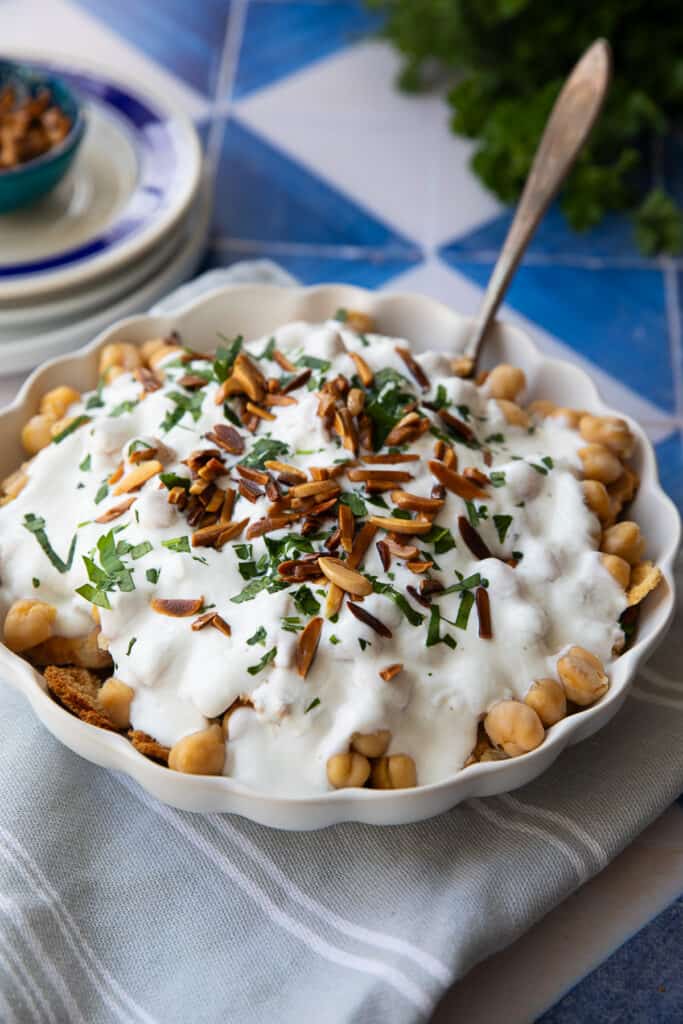 Vegetarian
Fatteh is a generous Levantine dish made with crisp pita bread, warm chickpeas and a creamy yogurt, tahini, lemon and garlic sauce, finished with toasted pine nuts, parsley and spices. The contrast between crunchy bread, tender chickpeas and cool creamy sauce is essential to the dish.
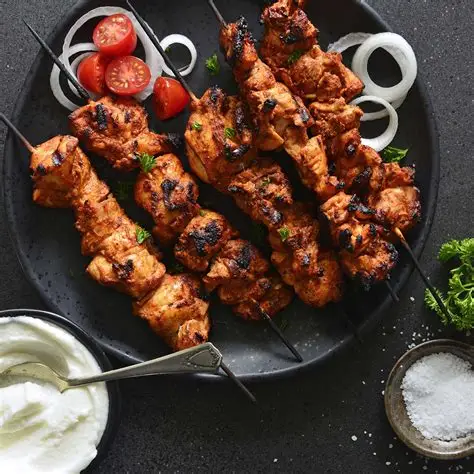 Meat
MeatShish Tawook is an iconic Levantine chicken skewer marinated in yogurt, lemon, garlic, oil and spices, then grilled over high heat. A good marinade tenderises the meat, promotes browning and produces juicy chicken with lightly caramelised edges.
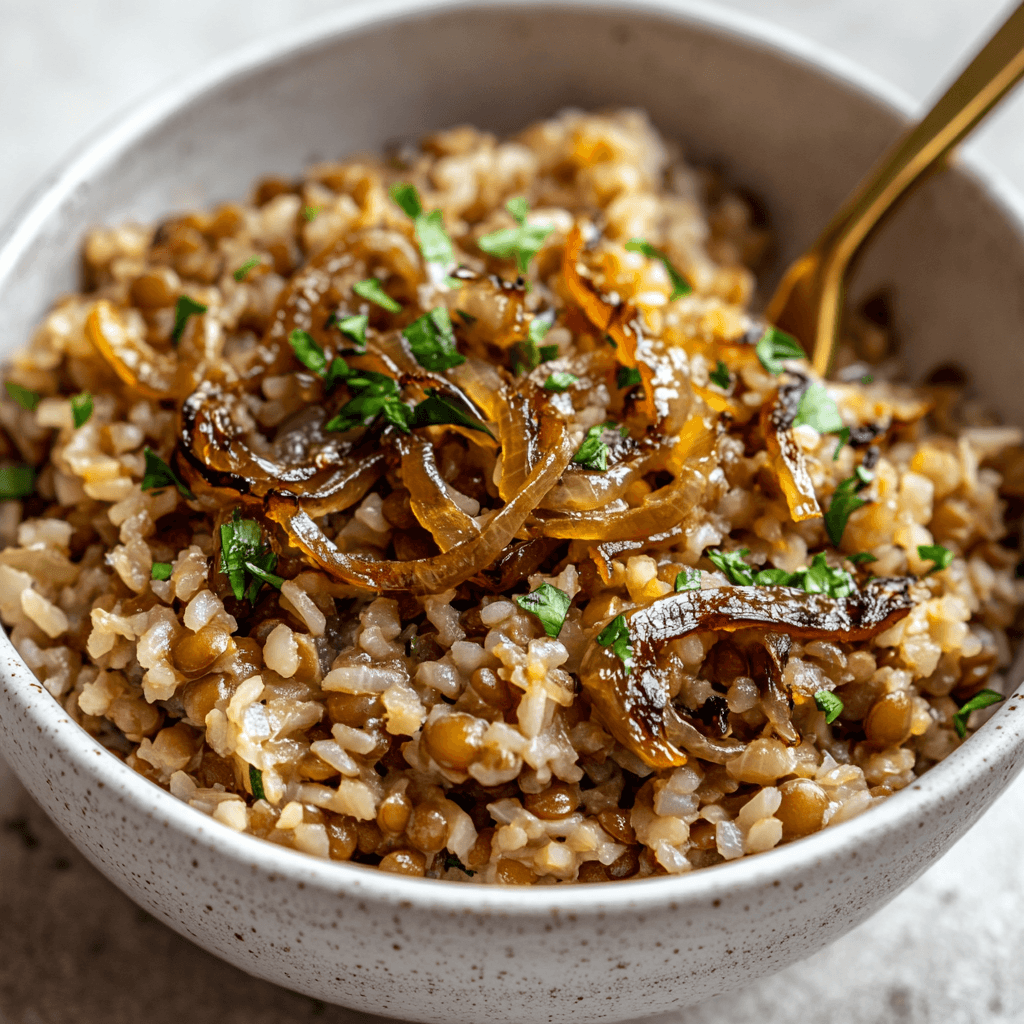 Vegan
VeganMujaddara is a Levantine classic made with lentils, rice and deeply browned onions. Simple, nourishing and aromatic, it relies on the contrast between tender lentils, separate grains of rice and a generous amount of almost crisp caramelised onions.