Pasta with Genoese pesto
Italian pasta coated in fresh Genoese pesto made with basil, pine nuts, garlic, Parmigiano Reggiano, pecorino and olive oil. The sauce is prepared without cooking to preserve its green colour, herbal aroma and creamy texture, then loosened with pasta cooking water.
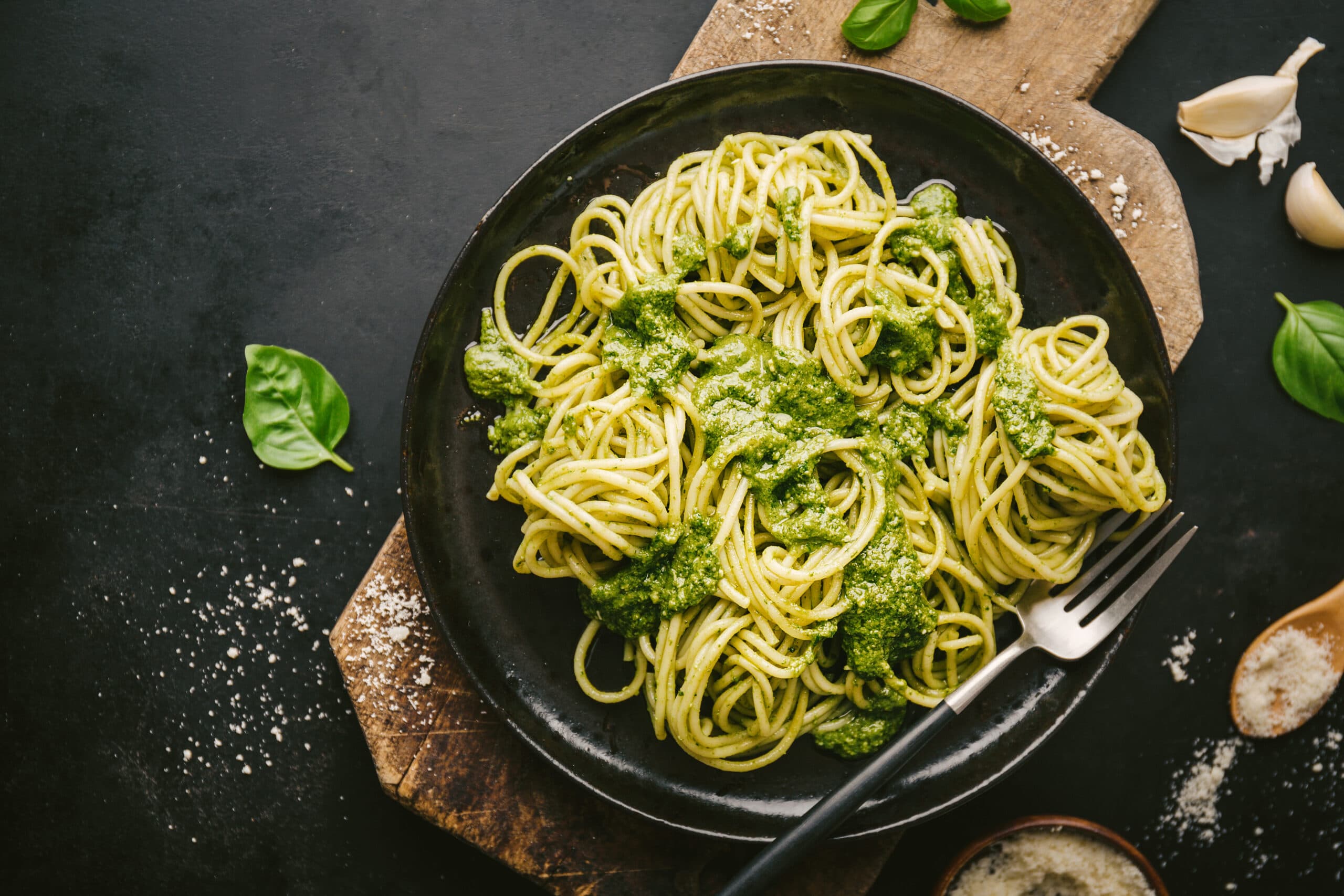
About 690 kcal per serving
Ingredients
- pasta (trofie, trenette, linguine or spaghetti)400 g
- fresh basil leaves (briefly washed and completely dried)60 g
- pine nuts (untoasted for a more traditional flavour)30 g
- garlic clove (small, with the germ removed if necessary)1 piece
- Parmigiano Reggiano (finely grated)50 g
- pecorino (finely grated)20 g
- extra virgin olive oil (mild and fruity)100 ml
- fine salt (mainly for the pasta water)12 g
- pasta cooking water (approximate amount, adjust as needed)120 ml
Preparation
Prepare the basil
Remove the basil leaves from the thick stems. Rinse them very briefly in cold water only if necessary, then place them on a clean towel. Dry them gently and completely without crushing them. Refrigerate the leaves for a few minutes so they remain cool during preparation.
Crush the garlic and pine nuts
In a mortar, crush the garlic clove with a small pinch of salt until smooth. Add the pine nuts and work them with the pestle into a coarse cream. If using a blender, chill the bowl and blade beforehand, then pulse very briefly.
Add the basil
Add the basil leaves in several batches. Crush them against the sides of the mortar with a circular motion until a fragrant green paste forms. Avoid pounding the leaves aggressively, as this can accelerate oxidation. In a blender, use short pulses and stop as soon as the leaves are finely chopped.
Add the cheeses
Add the finely grated Parmigiano Reggiano and pecorino. Mix gently until the cheeses are evenly distributed and the mixture becomes thick and uniform.
Emulsify with the oil
Gradually pour in the olive oil in a thin stream while mixing gently. Continue until the pesto is creamy, glossy and still slightly textured. Taste before adding salt, as the cheeses already provide considerable salinity. Keep the pesto cool and cover its surface directly.
Cook the pasta
Bring a large pot of water to the boil. Salt the water, add the pasta and stir immediately to prevent sticking. Cook until al dente according to the package instructions, generally eight to twelve minutes depending on the shape.
Reserve the cooking water
Just before draining the pasta, reserve at least 120 millilitres of the starchy cooking water. Drain the pasta without rinsing it. The starchy water will loosen the pesto and create a creamy sauce that clings to the pasta.
Loosen the pesto
Place the pesto in a large serving bowl or in a saucepan removed from the heat. Add two to three tablespoons of cooking water and mix until smooth and creamy. Gradually add more water if the pesto remains too thick.
Coat the pasta off the heat
Immediately add the hot pasta to the pesto. Toss energetically but gently for one to two minutes so the sauce coats the pasta evenly. Add a little more cooking water if needed until the coating is glossy and fluid. Do not return the mixture to the heat.
Plate and serve
Divide the pasta among warm plates. If desired, finish with freshly grated Parmigiano Reggiano, a few pine nuts and small basil leaves. Serve immediately before the pasta absorbs the sauce.
Tips & tricks
- Use very fresh basil with small, tender leaves and no dark spots.
- Wash the basil briefly and dry it completely, as water would dilute the pesto and encourage oxidation.
- Keep the ingredients cold and avoid heating the pesto to preserve its green colour.
- If using a blender, pulse briefly so the leaves do not become warm.
- Salt the pesto sparingly because both cheeses are already salty.
- Reserve a generous amount of pasta cooking water to emulsify the sauce.
- Mix the pasta and pesto off the heat to prevent the basil from darkening.
- Add the pesto gradually until the pasta is evenly and creamily coated.
- Serve immediately, as pesto quickly loses aroma after being mixed with hot pasta.
Variations
- Add green beans and potatoes cooked with the pasta for a traditional Ligurian version.
- Replace the pine nuts with cashews or almonds for a more economical variation.
- Use only Parmigiano Reggiano for a milder flavour.
- Add a little lemon zest for a fresher note.
- Replace part of the basil with rocket for a more peppery version.
- Use trofie, trenette, linguine or spaghetti depending on the desired texture.
Storage
Pasta with pesto is best eaten immediately after preparation. It can be stored for up to two days in the refrigerator in an airtight container, although the basil may darken and the pasta will absorb the sauce. Reheat very gently with a spoonful of water, without exposing it to high heat. Pesto on its own keeps for up to three days in the refrigerator under a thin layer of olive oil, or for up to three months in the freezer.
Nutrition facts(per serving)
| Calories | 690 kcal |
|---|---|
| Protein | 21 g |
| Carbs | 82 g |
| Fat | 31 g |
| Fiber | 5 g |
| Sugars | 4 g |
What to serve with this recipe?
- Tomato and mozzarella salad
- Ligurian focaccia
- Vermentino white wine
- Grilled vegetables
Frequently asked questions
Reviews
No reviews yet. Be the first to leave one!
Similar recipes
 Vegetarian
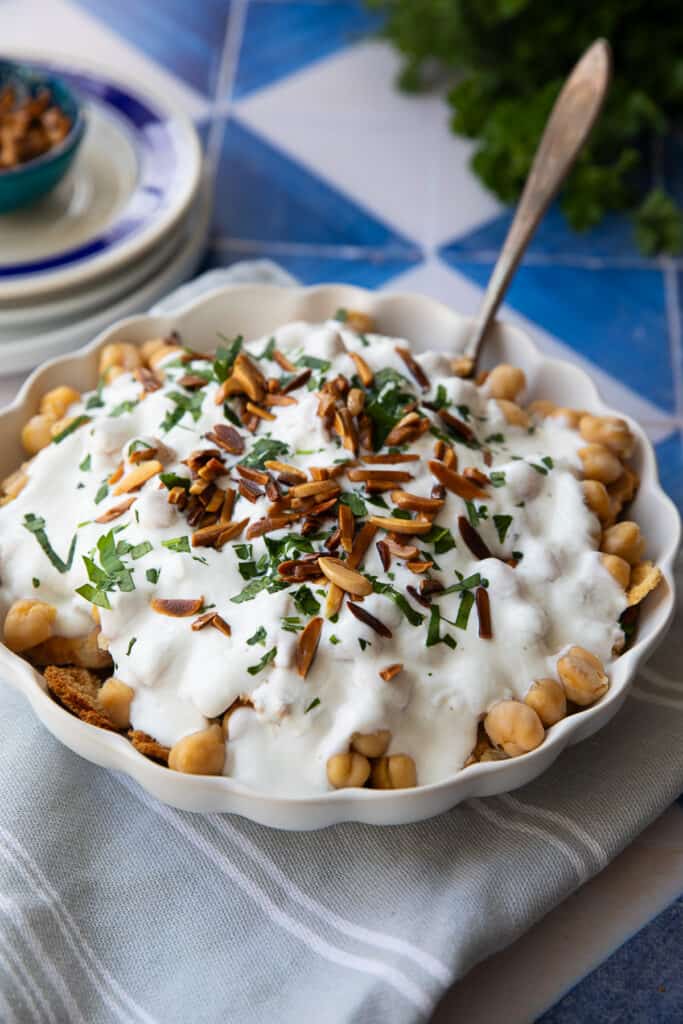
Fatteh is a generous Levantine dish made with crisp pita bread, warm chickpeas and a creamy yogurt, tahini, lemon and garlic sauce, finished with toasted pine nuts, parsley and spices. The contrast between crunchy bread, tender chickpeas and cool creamy sauce is essential to the dish.
 Meat
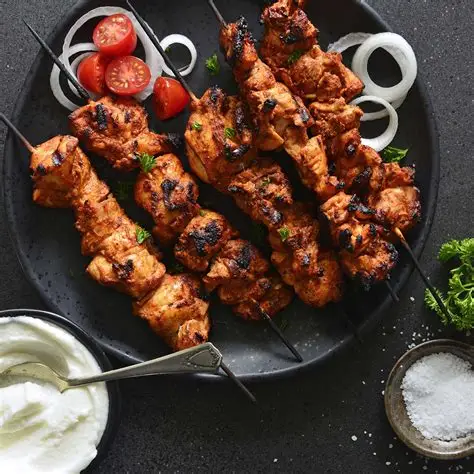
MeatShish Tawook is an iconic Levantine chicken skewer marinated in yogurt, lemon, garlic, oil and spices, then grilled over high heat. A good marinade tenderises the meat, promotes browning and produces juicy chicken with lightly caramelised edges.
 Vegan
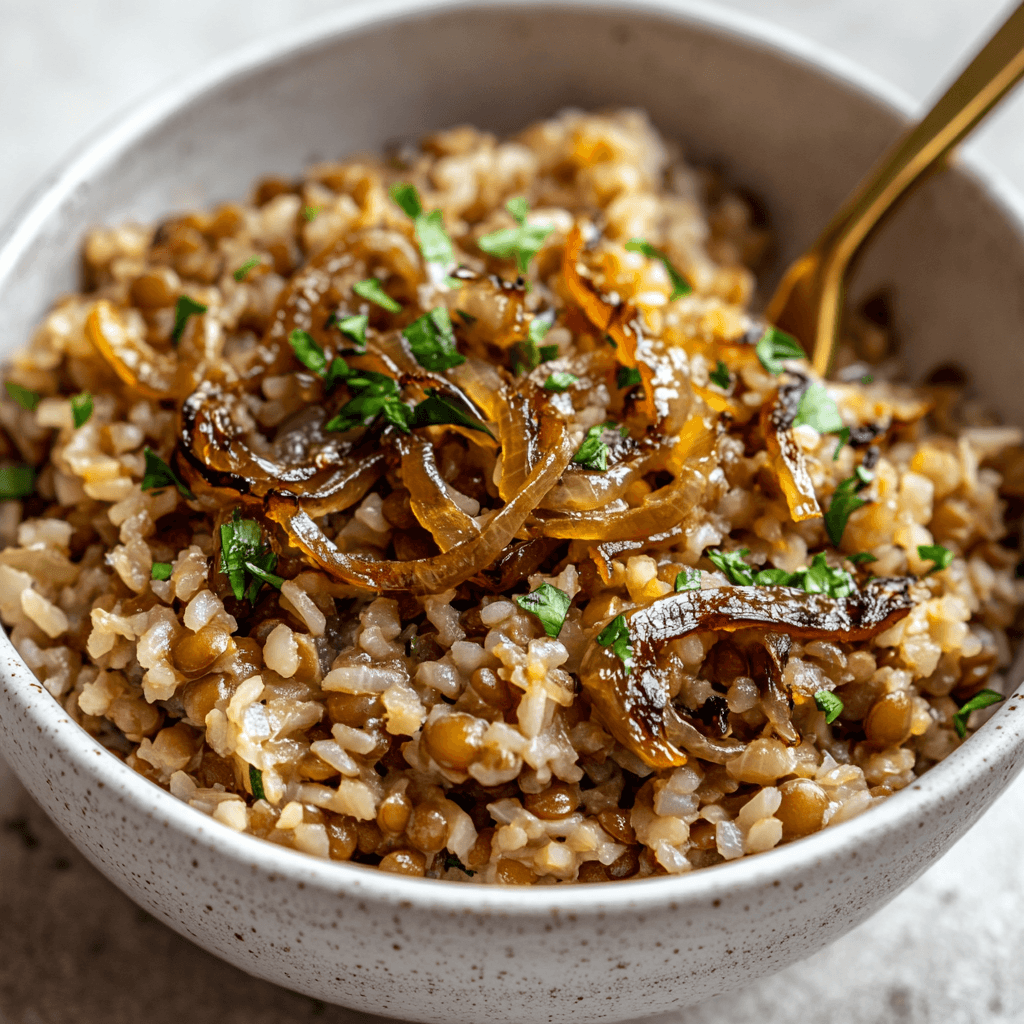
VeganMujaddara is a Levantine classic made with lentils, rice and deeply browned onions. Simple, nourishing and aromatic, it relies on the contrast between tender lentils, separate grains of rice and a generous amount of almost crisp caramelised onions.