Peking Duck
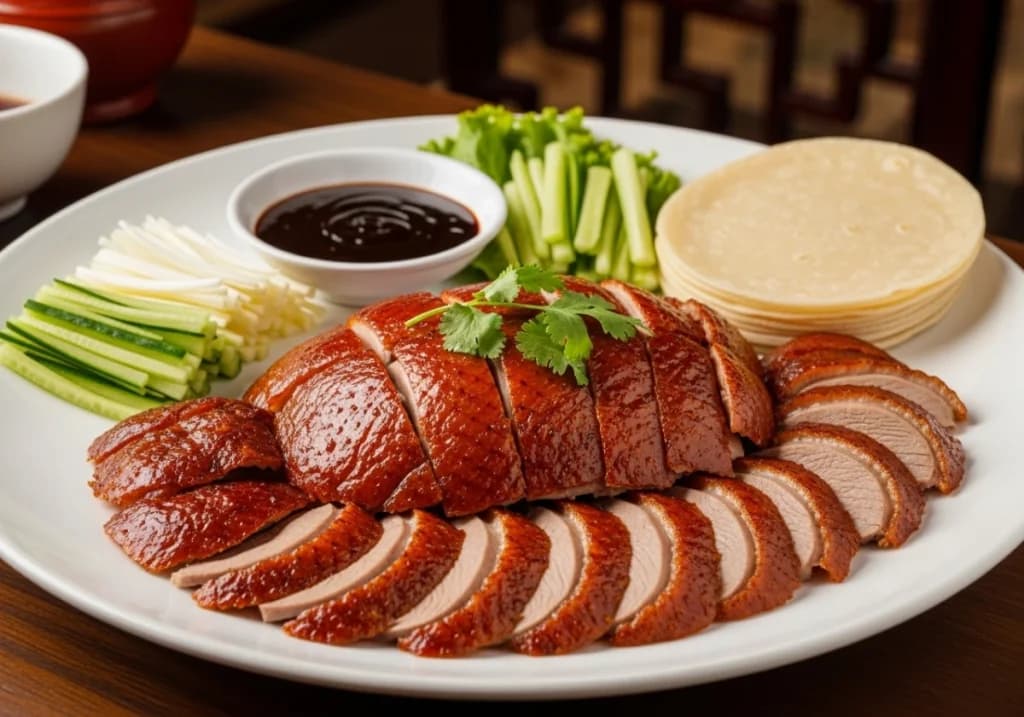
A Peking-style roast duck with very crisp, glossy, lightly sweet skin, served with thin pancakes, cucumber, spring onion and hoisin sauce. The recipe explains scalding the skin, glazing, extended drying and controlled roasting to separate the skin from the meat and achieve the crispest possible result at home.
About 690 kcal per serving
Ingredients
- whole duck (about 2.2 to 2.5 kg, cleaned and thoroughly dried)1 piece
- water (for scalding the skin)2 000 ml
- honey (or maltose)45 g
- rice vinegar (for the glaze)30 ml
- light soy sauce (for the glaze)20 ml
- Shaoxing rice wine (optional)15 ml
- fine salt (for the inside of the duck)8 g
- spring onions (for flavouring the cavity)3 pieces
- fresh ginger (sliced)25 g
- Chinese five-spice powder (optional, for the cavity)1 teaspoon
- thin Peking duck pancakes (warmed just before serving)24 pieces
- cucumber (cut into thin sticks)1 piece
- spring onions (cut into thin julienne for serving)6 pieces
- hoisin sauce (for serving)180 g
Preparation
Prepare the duck
Remove any giblets and excess visible fat around the cavity and neck. Trim the wing tips if desired. Pat the entire surface very thoroughly dry with paper towels, including the folds around the legs and wings.
Season the cavity
Rub the inside of the duck with the salt and, if desired, the five-spice powder. Add the three spring onions and ginger slices to the cavity. Avoid heavily seasoning the exterior skin at this stage.
Scald the skin
Bring two litres of water to a vigorous boil. Place the duck on a rack over the sink or a large tray. Slowly pour the boiling water over the entire skin while turning the duck. The skin should immediately tighten, become shinier and slightly paler.
Dry after scalding
Let the duck drain for a few minutes, then pat it gently dry. Do not rub aggressively because the skin is now more delicate.
Prepare the glaze
Mix the honey, rice vinegar, soy sauce and Shaoxing wine. If the honey is too thick, warm it very slightly so the glaze becomes fluid and uniform.
Glaze the duck
Brush the entire skin with a very thin layer of glaze. Let it dry for ten minutes, then apply a second thin coat. Avoid thick drips, which may burn during roasting.
Air-dry in the refrigerator
Place the duck on a rack set over a tray and refrigerate uncovered for twelve to twenty-four hours. The skin should become dry and slightly parchment-like to the touch. This is one of the most important steps for achieving crisp skin.
Bring the duck closer to room temperature
Remove the duck from the refrigerator about forty-five minutes before roasting. Blot away any visible moisture with paper towels without wetting the skin.
Preheat the oven
Preheat the oven to 220°C. Set a roasting rack over a drip tray so rendered fat can drain freely. Add a shallow layer of water to the tray to reduce smoke without allowing the water to touch the duck.
Start roasting at high temperature
Place the duck breast-side up on the rack and roast at 220°C for twenty minutes. This stage begins rendering the fat beneath the skin and starts rapid browning.
Continue at moderate temperature
Reduce the oven to 180°C and continue roasting for fifty to sixty minutes. Rotate the tray halfway through if necessary. Carefully remove excess rendered fat from the drip tray if it becomes too full.
Check doneness
Check the temperature in the thickest part of the thigh without touching the bone. It should reach at least 74°C. The skin should already be well browned and much of the fat rendered.
Crisp the skin
Increase the oven again to 220-230°C for five to ten minutes, or briefly use the grill. Watch constantly: the skin should become mahogany brown, glossy and very crisp without burning.
Rest the duck
Remove the duck from the oven and rest for fifteen to twenty minutes on a rack without covering tightly. A tight cover would trap steam and soften the skin.
Prepare the garnishes
While the duck rests, warm the pancakes according to the package instructions or steam them for a few minutes. Cut the cucumber and spring onions into thin julienne strips. Spoon the hoisin sauce into small bowls.
Carve the duck
Using a very sharp knife, first remove thin slices of crisp skin with a little meat attached. Then slice the breast thinly and remove the meat from the legs. Serve the crispiest skin first.
Assemble the pancakes
For each serving, spread a small amount of hoisin sauce over a warm pancake. Add a few cucumber and spring onion strips, then one or two slices of duck with skin. Fold up the bottom and then the sides of the pancake and eat immediately.
Tips & tricks
- Choose a medium whole duck with intact skin and no tears.
- Dry the duck thoroughly before any other step because moisture prevents crisping.
- Scald the skin with very hot water to tighten and firm its surface.
- Do not pierce deeply into the meat while preparing the skin.
- Air-drying uncovered in the refrigerator for twelve to twenty-four hours is essential for crisp skin.
- Apply the glaze in a thin, even layer rather than a thick coating.
- Roast the duck on a rack so rendered fat can drain away.
- Start at high temperature to initiate browning, then continue at a more moderate temperature.
- Watch the skin carefully near the end because honey can burn quickly.
- Rest the duck before carving so it retains more juices.
Variations
- Replace the honey with maltose for a more traditional and shinier glaze.
- Add a little five-spice powder inside the cavity for a more aromatic flavour.
- Serve with plum sauce instead of hoisin sauce.
- Add thin strips of radish or carrot to the garnishes.
- Prepare very thin homemade pancakes for a more traditional presentation.
- Use leftover meat for fried rice or noodles.
Storage
Cooked duck keeps for up to three days in the refrigerator in an airtight container. To preserve the skin as well as possible, store the meat and pancakes separately. Reheat the duck in a 200°C oven for ten to fifteen minutes, ideally on a rack, to restore crispness. The cooked meat can be frozen for up to two months, although the skin will lose some crispness after thawing.
Nutrition facts(per serving)
| Calories | 690 kcal |
|---|---|
| Protein | 38 g |
| Carbs | 52 g |
| Fat | 36 g |
| Fiber | 4 g |
| Sugars | 14 g |
What to serve with this recipe?
- Thin Chinese pancakes
- Julienned cucumber
- Fresh spring onion
- Hoisin sauce
Frequently asked questions
Reviews
No reviews yet. Be the first to leave one!
Similar recipes
 Vegetarian
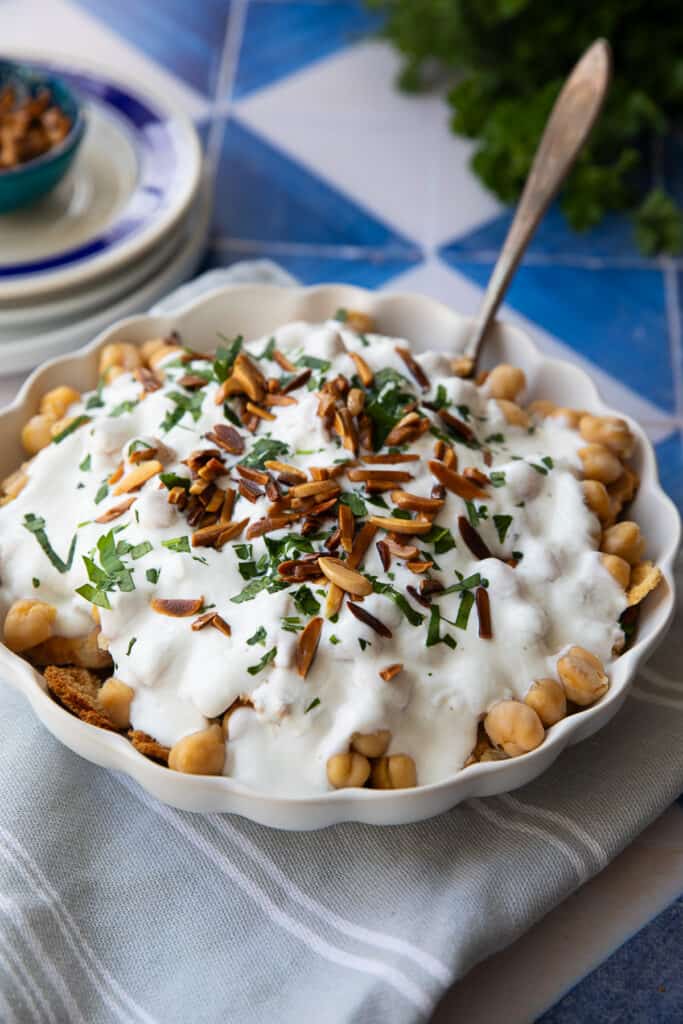
Fatteh is a generous Levantine dish made with crisp pita bread, warm chickpeas and a creamy yogurt, tahini, lemon and garlic sauce, finished with toasted pine nuts, parsley and spices. The contrast between crunchy bread, tender chickpeas and cool creamy sauce is essential to the dish.
 Meat
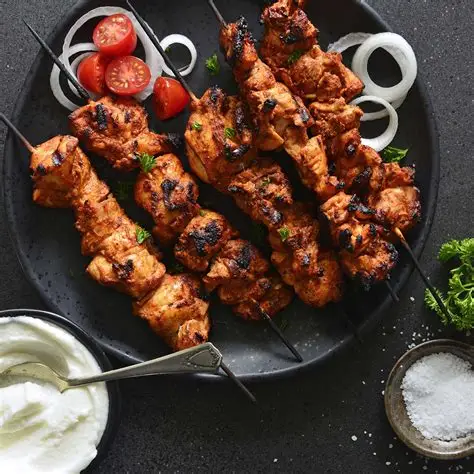
MeatShish Tawook is an iconic Levantine chicken skewer marinated in yogurt, lemon, garlic, oil and spices, then grilled over high heat. A good marinade tenderises the meat, promotes browning and produces juicy chicken with lightly caramelised edges.
 Vegan
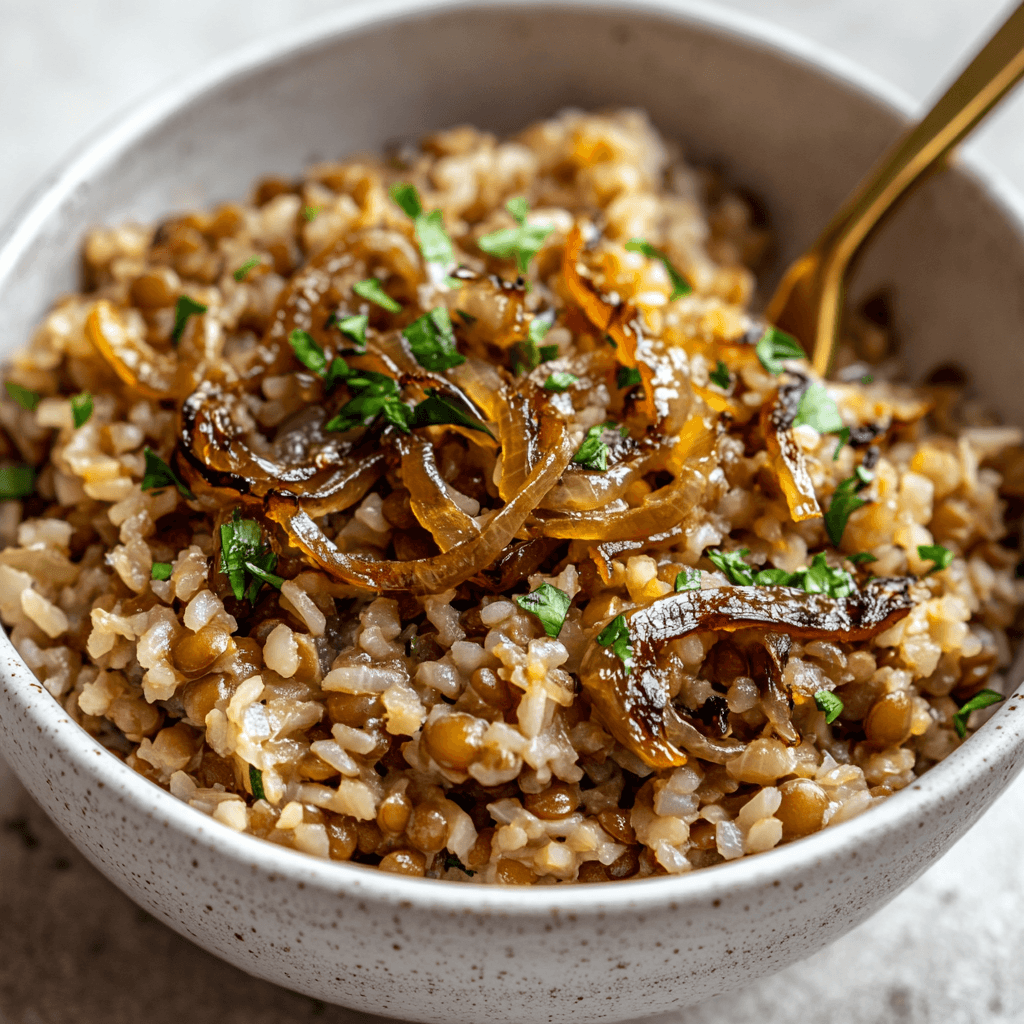
VeganMujaddara is a Levantine classic made with lentils, rice and deeply browned onions. Simple, nourishing and aromatic, it relies on the contrast between tender lentils, separate grains of rice and a generous amount of almost crisp caramelised onions.