Xiaolongbao (小笼包)
Delicate steamed dumplings from the Jiangnan region, filled with seasoned pork and a savoury stock jelly that melts during steaming to create hot soup inside. This recipe details the aspic, dough, filling, pleating and steaming techniques needed for thin, juicy and well-sealed xiaolongbao.
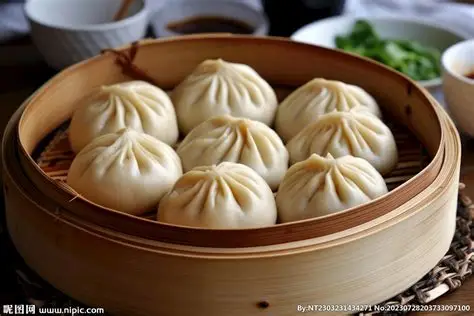
About 430 kcal per serving
Ingredients
- pork or chicken stock (rich and lightly salted, for the aspic)600 ml
- powdered gelatin (to set the stock into jelly)12 g
- cold water (for blooming the gelatin)50 ml
- wheat flour (all-purpose flour)350 g
- hot water (about 70 to 80°C, adjust slightly if needed)180 ml
- fine salt (for the dough)2 g
- minced pork (ideally 20 to 25% fat)450 g
- light soy sauce (for the filling)20 ml
- Shaoxing rice wine (optional)15 ml
- sesame oil10 ml
- fresh ginger (finely grated)15 g
- spring onions (finely sliced)3 pieces
- sugar (to balance the filling)5 g
- ground white pepper2 g
- Chinese black vinegar (for the dipping sauce)80 ml
- fresh ginger (cut into very fine julienne for serving)20 g
Preparation
Prepare the stock jelly
Pour the 50 ml of cold water into a small bowl and sprinkle the gelatin over it. Let it bloom for five to ten minutes. Meanwhile, heat the stock until simmering without boiling vigorously. Remove from the heat and whisk in the bloomed gelatin until completely dissolved.
Set the aspic
Pour the gelatinised stock into a shallow dish to form a layer two to three centimetres deep. Cool to room temperature, then refrigerate for at least four hours, ideally overnight, until completely firm.
Prepare the dough
Mix the flour and salt in a large bowl. Gradually pour in the hot water while stirring with chopsticks or a fork. When small clumps form, bring the dough together by hand. Add only a few extra millilitres of water if it remains too dry.
Knead and rest the dough
Knead for eight to ten minutes until the dough is smooth, firm yet supple. Shape into a ball, cover tightly and rest for thirty minutes. Knead for another minute, then rest again for twenty to thirty minutes.
Prepare the pork filling
Place the minced pork in a bowl. Add the soy sauce, Shaoxing wine, sesame oil, ginger, spring onions, sugar and white pepper. Stir vigorously in the same direction for two to three minutes until the filling becomes slightly sticky and cohesive.
Chop the aspic
Take the jelly from the refrigerator at the last moment. Unmould and chop it into very small three to four millimetre cubes. The smaller the pieces, the more evenly they distribute through the filling and melt during steaming.
Fold in the aspic
Add about 300 g of chopped jelly to the pork filling. Fold gently with a spatula, just enough to distribute the aspic without crushing it. Refrigerate the filling for fifteen to twenty minutes so it stays cold during shaping.
Divide the dough
Roll the dough into a long cylinder about two to three centimetres in diameter. Cut about thirty even portions of fifteen to eighteen grams each. Keep all pieces under a damp cloth or plastic wrap so they do not dry out.
Roll the wrappers
Flatten one piece of dough with your palm. Roll it into a disc about nine centimetres wide, rotating the dough after each pass. The centre should remain slightly thicker while the edges become thin and flexible.
Fill each xiaolongbao
Place about twenty grams of cold filling in the centre of the wrapper. Keep the filling away from the edges so they remain dry and can seal properly.
Pleat the dumplings
Hold the wrapper in one hand and pinch the first pleat with the other. Continue around the dumpling, making sixteen to twenty small even pleats while rotating the xiaolongbao. Keep the filling centred and gently push it downward as you work.
Seal the top
Once all the pleats are formed, bring the edges together at the top, give a slight twist and pinch firmly to seal completely. Check that no opening remains, or the soup will escape during steaming.
Prepare the steamer
Line a bamboo or metal steamer with perforated baking paper, cabbage leaves or thin carrot slices. Arrange the xiaolongbao with at least two centimetres of space between them.
Steam the xiaolongbao
Bring the steamer water to a strong boil. Place the basket above it without letting the water touch the dumplings, cover and steam for eight to ten minutes. For frozen xiaolongbao, allow about eleven to thirteen minutes.
Rest for one minute
Turn off the heat and let the xiaolongbao rest for one minute in the open steamer. This brief pause allows the wrappers to firm slightly and reduces the risk of tearing when lifted.
Prepare the dipping sauce
Divide the Chinese black vinegar among small dipping dishes and add the fine ginger julienne. This simple sauce provides acidity that balances the richness of the pork and broth.
Serve and eat
Serve immediately in the steamer basket. To eat, gently place one xiaolongbao on a spoon, lightly pierce the wrapper to release some soup, let it cool for a few seconds, add a little vinegar and ginger, then enjoy.
Tips & tricks
- Prepare the aspic several hours ahead so it is completely set before mixing with the filling.
- Use pork with some fat so the filling stays moist and juicy.
- Chop the aspic very finely and keep it cold until assembly.
- Knead the dough until perfectly smooth, then rest it so the gluten relaxes.
- Roll the wrappers thinner around the edges and slightly thicker in the centre to prevent tearing under the filling.
- Do not overfill each dumpling, as pressure from the melted broth can cause leaks.
- Keep both wrappers and shaped dumplings covered so they do not dry out.
- Make even pleats around the dumpling while keeping the centre open until the final pinch.
- Line the steamer with perforated baking paper or cabbage leaves to prevent sticking.
- Space the xiaolongbao apart because they expand slightly during steaming.
- Let them rest for one minute after steaming before moving them so the dough firms slightly.
- Eat carefully because the soup inside can be extremely hot.
Variations
- Replace part of the pork with finely chopped shrimp.
- Add crab meat for a more refined version.
- Prepare a chicken filling with chicken-stock aspic.
- Add extra ginger for a fresher flavour.
- Use concentrated Chinese ham stock for deeper flavour.
- Make smaller xiaolongbao for bite-size service.
- Add a few drops of sesame oil to the filling.
- Serve with Chinese black vinegar and very thin ginger strips.
Storage
Xiaolongbao are best immediately after steaming. Shaped raw dumplings can be frozen separately on a tray for two to three hours, then transferred to an airtight bag for up to two months. Steam directly from frozen, adding about two to three minutes to the cooking time. Cooked dumplings keep for up to one day in the refrigerator, but the wrapper and broth texture will be less delicate after reheating.
Nutrition facts(per serving)
| Calories | 430 kcal |
|---|---|
| Protein | 22 g |
| Carbs | 46 g |
| Fat | 17 g |
| Fiber | 2 g |
| Sugars | 2 g |
What to serve with this recipe?
- Chinese black vinegar and ginger
- Chinese smashed cucumber
- Light bok choy soup
- Jasmine tea
Frequently asked questions
Reviews
No reviews yet. Be the first to leave one!
Similar recipes
 Vegetarian
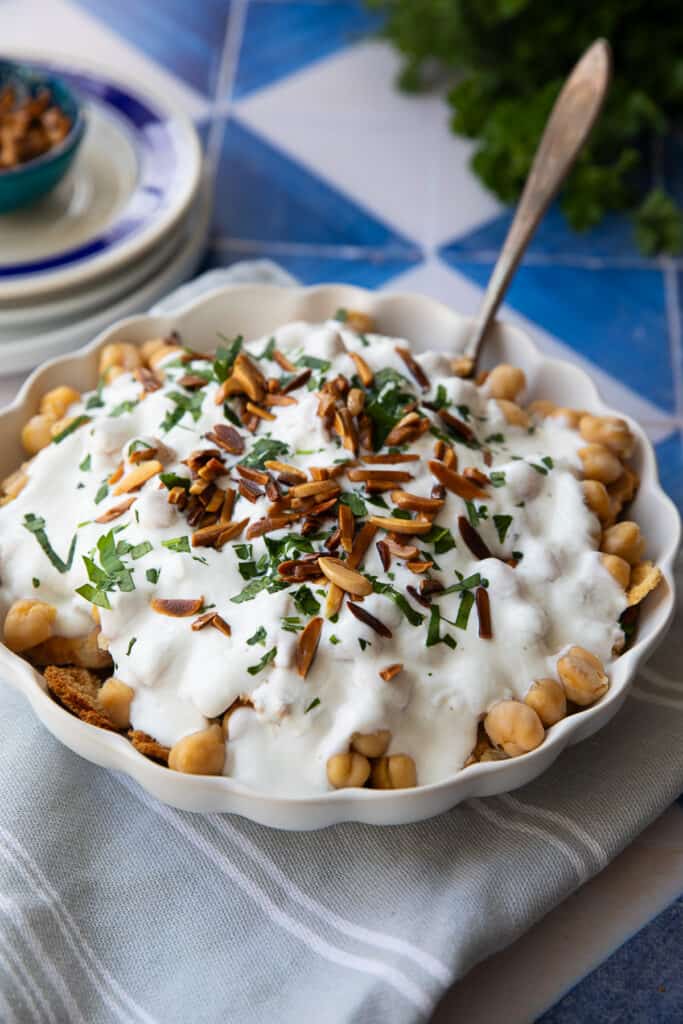
Fatteh is a generous Levantine dish made with crisp pita bread, warm chickpeas and a creamy yogurt, tahini, lemon and garlic sauce, finished with toasted pine nuts, parsley and spices. The contrast between crunchy bread, tender chickpeas and cool creamy sauce is essential to the dish.
 Meat
MeatShish Tawook is an iconic Levantine chicken skewer marinated in yogurt, lemon, garlic, oil and spices, then grilled over high heat. A good marinade tenderises the meat, promotes browning and produces juicy chicken with lightly caramelised edges.
 Vegan
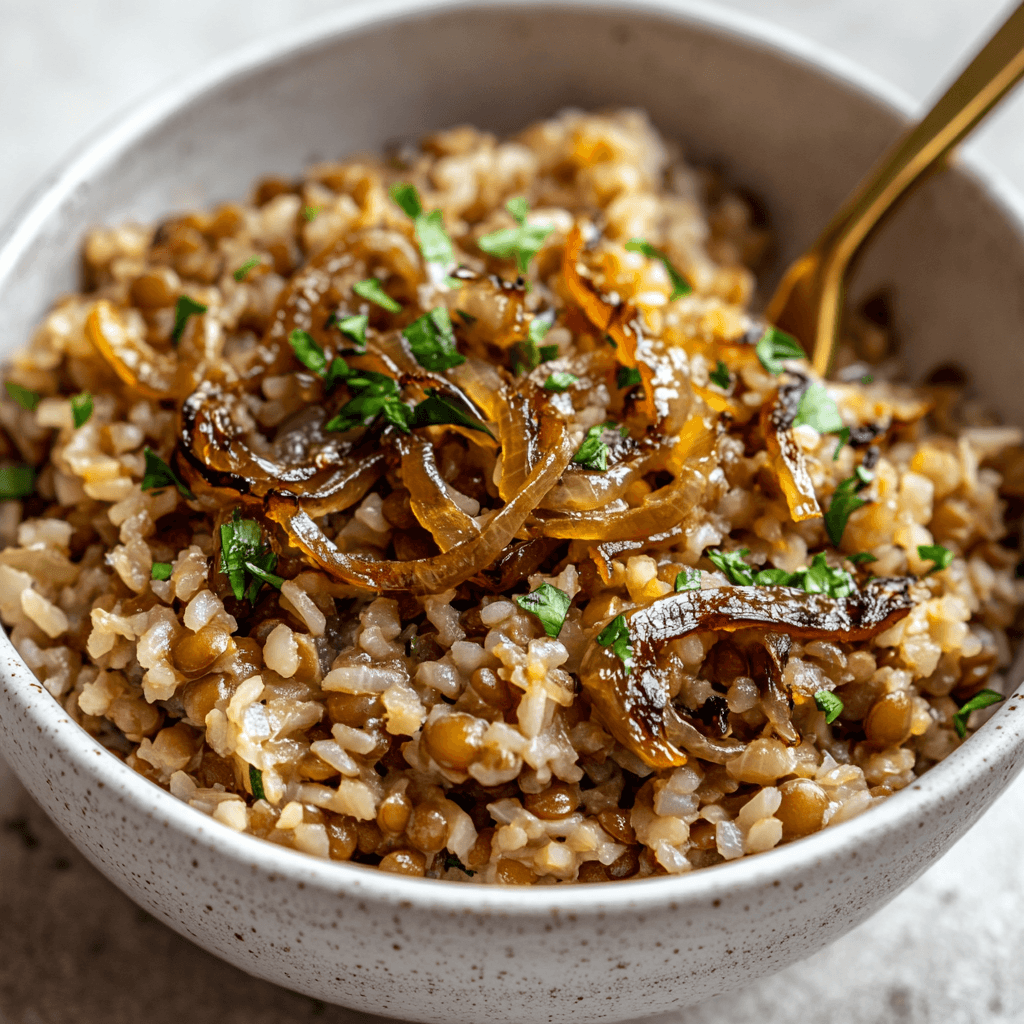
VeganMujaddara is a Levantine classic made with lentils, rice and deeply browned onions. Simple, nourishing and aromatic, it relies on the contrast between tender lentils, separate grains of rice and a generous amount of almost crisp caramelised onions.